
Roy Hodges Wiki, Family, Biography of Glenda Jackson Former Husband
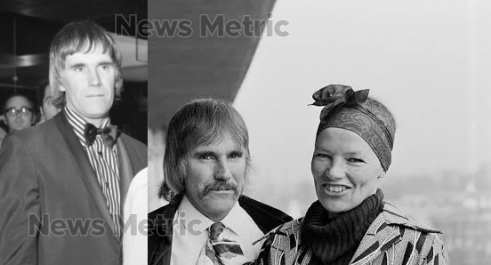
Roy Hodges is a British theatre actor, Stage manager and Art dealer Known as, he was the former husband of acclaimed British actress and politician Glenda Jackson, and he is the father of political columnist Dan Hodges. Yet his life cannot be reduced to those connections alone. He was a theatre professional during a dynamic period in British cultural history and later worked in the art world, choosing a path of privacy rather than publicity. His story reflects dedication to creative industries, steady family commitment, and a deliberate decision to remain outside the spotlight.
This article presents a detailed and complete biograpghy of Roy Hodges’ life, career, marriage, family background, and every detail you may know.
Roy Hodges Profile Bio:
| Query | Details |
|---|---|
| Full Name | Roy Hodges |
| Date of Birth | June 1936 |
| Place of Birth | United Kingdom |
| Nationality | British |
| Profession | Theatre Actor, Stage Manager, Art Dealer |
| Known For | Former husband of Glenda Jackson; Father of Dan Hodges |
| Marital Status | Divorced |
| Former Spouse | Glenda Jackson (m. 1958 – div. 1976) |
| Marriage Date | 2 August 1958 |
| Marriage Location | St Marylebone Register Office, London |
| Children | 1 Son – Dan Hodges (born 1969) |
| Years Active in Theatre | 1950s–1970s (approx.) |
| Later Career | Art Dealer |
| Public Presence | Maintained a private life; no public media career |
| Notable Associations | British repertory theatre community |
Early Life and Background
Roy Hodges was born in June 1936 in the United Kingdom. Gained information about his childhood, family background, and early education is limited. Unlike many individuals connected to well-known public figures, Roy Hodges did not share personal stories with the media, nor did he publish memoirs or participate in interviews that documented his early years.
He grew up in Post-war Britain, a period marked by rebuilding and renewed cultural energy. The theatre industry, particularly repertory theatre, played an important role in British cultural life during the 1950s. It was within this environment that Hodges began developing his professional path. Although there is no detailed public record of his formal training, his later work in theatre suggests practical experience and professional discipline from a young age.
Career in Theatre
Roy Hodges built his early career in theatre, working both as an actor and as a stage manager. Repertory theatre companies were central to British performing arts during the mid-twentieth century. These companies staged multiple productions in rotation, often requiring performers to rehearse one play while performing another. This system demanded flexibility, long working hours, and strong technical understanding.
As an actor, Hodges would have taken on a range of roles across different genres. The repertory system required actors to adapt quickly and memorise scripts under tight schedules. It was demanding but provided strong professional grounding.
Alongside acting, roy hodges worked in stage management. Stage managers are responsible for the organisation and smooth running of productions. They coordinate rehearsals, manage backstage operations, oversee technical elements such as lighting and sound, and ensure that performances proceed without disruption. This role requires calm leadership, strong communication skills, and careful planning. His involvement in both performance and production indicates broad experience in theatre operations.
Meeting Glenda Jackson
Roy Hodges met Glenda Jackson in 1957 while both were involved in repertory theatre. At the time, Jackson was a young actress who had trained at the Royal Academy of Dramatic Art. She was building her early career and seeking opportunities in stage productions.
Repertory theatre companies often created close professional communities. Long rehearsal hours and shared travel schedules encouraged strong working relationships. Hodges and Jackson developed a personal relationship during this period, built on shared artistic interests and similar career ambitions.
Marriage and Early Married Life
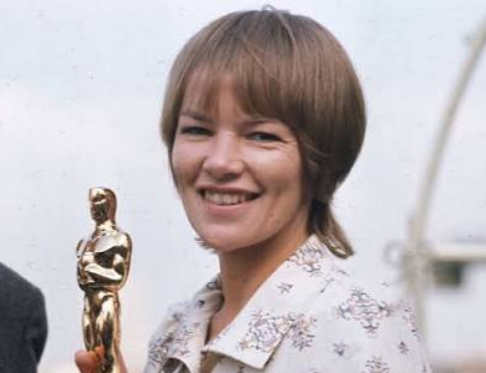
Roy Hodges and Glenda Jackson married on 2 August 1958 at St Marylebone Register Office in London. At the time of their marriage, both were still building their careers in theatre. They were not yet widely known, and their early married life was shaped by the uncertainties of artistic work.
Theatre careers during this period did not guarantee financial stability. Work depended on contracts and touring schedules. Married life for young theatre professionals often involved frequent travel and irregular income. Hodges and Jackson navigated these realities together during the early years of their relationship.
Glenda Jackson’s Rise to Fame
During the 1960s and early 1970s, Glenda Jackson’s career expanded rapidly. She became one of Britain’s most respected actresses, earning international recognition for her performances in film and theatre. Her achievements included major film roles and two Academy Awards for Best Actress. She later entered politics and served as a Member of Parliament, but that came after the end of her marriage to Hodges.
As Jackson’s fame increased, public interest in her personal life also grew. Roy Hodges, however, did not seek media attention. While his wife became a public figure, he remained connected to the creative world in a quieter capacity. There are no records of him attempting to use her growing fame for personal visibility.
Fatherhood and Family Life
In 1969, Roy Hodges and Glenda Jackson welcomed their son, Daniel Pearce Jackson Hodges, known publicly as Dan Hodges. The birth of their child added new responsibilities to an already demanding life.
Raising a child while managing theatre and film schedules required stability and cooperation. As Jackson’s acting career involved travel and long periods away for filming, family arrangements would have required careful planning. Although specific details of their domestic life are not publicly documented, it is clear that Hodges played an important role in his son’s upbringing.
Dan Hodges later became a prominent British political journalist and commentator. He has written for major newspapers and regularly appears in media discussions about politics. His career demonstrates intellectual independence and strong analytical skills. While he developed his own public identity, his upbringing in a household shaped by theatre and discussion likely influenced his perspective.
Relationship, Strain and Divorce
By the mid-1970s, the marriage between Roy Hodges and Glenda Jackson faced serious strain. In 1975, reports emerged that Jackson had begun a relationship with Andy Phillips, a lighting director involved in a theatre production in which she was performing. Following this development, Hodges filed for divorce on the grounds of adultery.
The divorce was finalised in 1976, ending their eighteen-year marriage. Although the separation attracted public interest due to Jackson’s prominence, it did not result in prolonged public disputes. Both parties maintained relative discretion.
Divorce during this period was often accompanied by media attention when public figures were involved. Despite this, Roy Hodges did not engage in public commentary or attempts to shape media narratives about the separation.
Professional Life After Theatre
After his involvement in theatre, Roy Hodges transitioned into the art world and worked as an art dealer. This career shift allowed him to remain within creative industries while moving away from the performance-based environment of theatre.
Art dealing involves assessing artworks, understanding artistic movements, and connecting buyers with pieces that hold cultural or financial value. It requires knowledge, aesthetic judgement, and trust. The move into art dealing suggests continuity in his engagement with creativity, though in a more private and commercially structured setting.
Working as an art dealer also provided a more stable professional environment compared to the unpredictability of theatre contracts. It suited a personality that appeared to value discretion and steady work.
A Deliberate Choice of Privacy
One of the most consistent aspects of Roy Hodges’ life is his clear preference for privacy. There are no widely circulated interviews, personal statements, or autobiographical works associated with him. He did not maintain a public profile or engage in public discussions about his former marriage.
In an era where association with a famous partner can bring media attention and opportunities for publicity, Hodges chose not to pursue visibility. His life demonstrates a conscious decision to remain independent from celebrity culture.
Most public references to him appear only in the context of Glenda Jackson’s biography or Dan Hodges’ background. Outside of those references, detailed accounts of his life remain limited.
Relationship with Dan Hodges
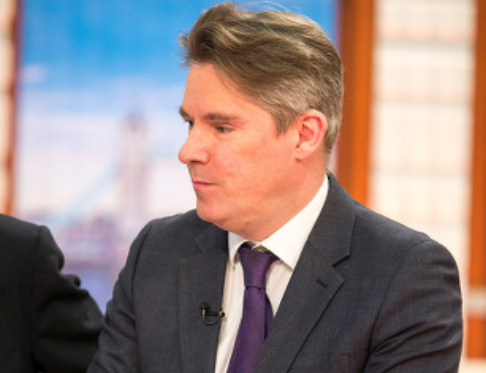
Dan Hodges has built a public career in political journalism, often expressing strong and independent views. Although Dan’s professional opinions are his own, his upbringing in a household influenced by theatre, literature, and intellectual discussion likely shaped his development.
Roy Hodges’ role as a father contributed to creating a stable environment during Dan’s formative years. Even after the divorce, he remained part of his son’s life. While specific private details are not publicly documented, the continued public acknowledgment of him as Dan Hodges’ father reflects ongoing recognition of that relationship.
Glenda Jackson’s Later Career and Public Life
After her divorce from Roy Hodges, Glenda Jackson continued her successful acting career before entering politics. She served as a Member of Parliament for many years and became known for her strong parliamentary speeches and independent stance.
Roy Hodges did not re-enter public narratives connected to her political career. His name is generally mentioned only in reference to her early life and marriage history. This reinforces the impression that he did not seek renewed attention through her later public roles.
Net Worth of Glenda Jackson and Dan Hodges
Glenda Jackson – Net Worth
At the time of her death Aged 87 on 15 June 2023, confirmed by an agent.Glenda Jackson had an estimated net worth of approximately $5 million.
Her wealth was built over several decades through a distinguished and varied career. She earned substantial income from:
- Award-winning film roles, including two Academy Award–winning performances
- Extensive theatre work in Britain and internationally
- Television appearances
- Her long tenure as a Member of Parliament in the UK
Jackson successfully transitioned between acting and politics, maintaining financial stability across both professions. Her net worth reflects steady earnings rather than commercial celebrity branding or business ventures.
Dan Hodges – Net Worth
Dan Hodges, the son of Glenda Jackson and Roy Hodges, is estimated to have a net worth of around $5 million.
His income comes primarily from his work as a political journalist and columnist. Over the years, he has:
- Written for major British newspapers
- Maintained a long-running national newspaper column
- Appeared regularly on television and radio as a political commentator
- Contributed to political analysis and public debate
His financial standing reflects consistent work in journalism and media rather than entertainment or commercial endorsements.
Both Glenda Jackson and Dan Hodges are reported to have net worth figures in the range of $5 million, earned through long, stable professional careers in acting, politics, and journalism. These figures are estimates based on publicly available financial assessments and are not officially disclosed personal statements.
Public Perception and Legacy
Roy Hodges is often described in neutral and respectful terms. He is viewed as a theatre professional who maintained integrity and professionalism. There are no public controversies or scandals associated with his name beyond the circumstances of his divorce, which were handled through formal legal processes.
His legacy can be understood in several ways. First, he contributed to British theatre during a period of significant cultural development. Repertory theatre played a major role in shaping British acting talent in the mid-twentieth century. His work as both actor and stage manager formed part of that ecosystem.
Second, he contributed to the upbringing of Dan Hodges, who has become a recognised voice in British political commentary. While his son’s public career is independent, family background plays an important role in shaping perspective and discipline.
Third, he represents a model of private life lived alongside public figures. His decision not to pursue fame demonstrates that association with celebrity does not require participation in publicity.
Cultural Context
Roy Hodges’ life intersects with important cultural shifts in Britain. The 1950s and 1960s saw a revival in theatre and cinema. The repertory system trained actors who later moved into film and television. At the same time, media culture was expanding, increasing scrutiny of public figures’ personal lives.
Hodges lived through these changes while remaining largely outside public narratives. His life illustrates the difference between visible fame and essential behind-the-scenes contribution.
Conclusion
Roy Hodges was born in 1936 and built a career in British theatre as both actor and stage manager. In 1958, he married Glenda Jackson, with whom he shared eighteen years of marriage and one son, Dan Hodges. During the 1960s and early 1970s, he witnessed his wife’s rise to international prominence while continuing his own professional work.
Following their divorce in 1976, he transitioned into the art world as an art dealer and maintained a private life. He did not seek publicity, publish memoirs, or give interviews about his experiences. His life reflects dedication to creative industries, steady fatherhood, and a clear preference for discretion.
Although not widely profiled, Roy Hodges remains part of British cultural history through his work in theatre, his former marriage to a major public figure, and his role as father to a prominent journalist. His story is defined not by fame, but by professionalism, privacy, and quiet contribution.
FAQs
Who is Roy Hodges?
Roy Hodges is a British theatre professional who worked as an actor and stage manager before later becoming an art dealer. He is best known as the former husband of actress and politician Glenda Jackson and the father of journalist Dan Hodges.
How did Roy Hodges and Glenda Jackson meet, and when were they married?
Roy Hodges and Glenda Jackson met in 1957 while both were involved in repertory theatre. They married on 2 August 1958 in London and were together for 18 years before divorcing in 1976.
Did Roy Hodges and Glenda Jackson have children?
Yes, they had one son, Dan Hodges, born in 1969. Dan went on to become a well‑known British political columnist and commentator.
What is known about Roy Hodges’ net worth?
Roy Hodges has no publicly verified net worth. Unlike his former wife and son, he has maintained a private life and never disclosed personal financial details, so there is no official estimate available.
What are the key accomplishments of Dan Hodges?
Dan Hodges is an English newspaper columnist and political commentator. He has written for major British newspapers, maintained influential weekly columns, and become one of the UK’s more widely read political voices.
News metric for more informative topics