
William John March: Life and Legacy of Mary Berry’s Eldest Son
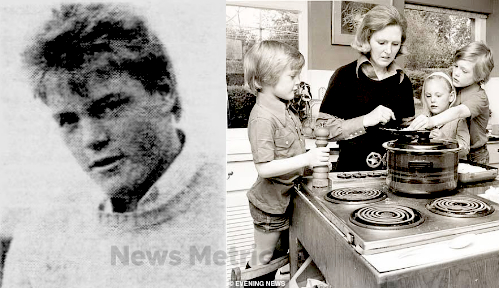
William John March was the eldest son of Dame Mary Berry, one of Britain’s most beloved culinary figures. His life, though tragically short, left a profound impact on his family and, indirectly, on the public who later learned of his story through his mother’s reflections. William’s narrative is not one marked by celebrity or professional achievement in the traditional sense, but by the deep love of his family, his personal promise, and the enduring legacy born from a life ended far too soon.
Quick Biography Table
| Attribute | Details |
|---|---|
| Full Name | William John March |
| Date of Birth | June 3, 1969 |
| Place of Birth | Paddington, London, England |
| Parents | Mary Berry and Paul John March Hunnings |
| Siblings | Thomas Alleyne March, Annabel Mary March |
| Education | Business Studies (Bristol Polytechnic) |
| Date of Death | January 21, 1989 |
| Age at Death | 19 |
| Known For | Eldest son of Mary Berry; his life story and its influence on his family |
Early Life and Family Origins
William John March was born on June 3, 1969, into a family rooted in warmth, stability, and traditional British values. His parents, Mary Berry and Paul John March Hunnings, married in 1966 and created a home that balanced Mary’s rising career as a cookery writer and television personality with Paul’s work as an antique book dealer. Their household in Penn, Buckinghamshire, was characterized by love and mutual support, fostering an environment where their children could grow with confidence and affection.
As the eldest child, William naturally assumed a central place in the family’s dynamics. His siblings — his older brother Thomas and younger sister Annabel — shared a close bond with him. Growing up together, the three children experienced the ordinary pleasures of family life: shared meals, celebrations, conversations around the dinner table, and the rhythms of daily routine. William’s role as the eldest came with responsibilities that he shouldered with quiet maturity and a sense of groundedness that those around him recognized early on.
Personality and Character
From those who remember him, William was seen as bright, warm, and confident without arrogance. He possessed a steady presence — someone capable of thoughtful reflection and dependable action. While his mother would go on to become a public figure, William was never thrust into the spotlight. Instead, he grew up with a healthy sense of self, encouraged by his parents to pursue his own path and aspirations.
Friends and family described William as someone with a gentle humour and an easy laugh, a young man who valued friendship and conversation. Though not seeking attention, he exuded a quiet self-assurance. These personality traits would later be highlighted by his siblings as part of the intangible legacy he left behind — traits that continued to shape family memories long after his passing.
Education and Aspirations
William’s intellectual curiosity and ambition manifested in his academic pursuits. After completing his secondary education with strong marks, he enrolled at Bristol Polytechnic to study business. Choosing business studies was a deliberate decision: William had clear interests in leadership, organization, and the world of enterprise. His choice reflected a young adult eager to chart his own course, separate from the family’s association with the culinary world.
At Bristol Polytechnic, William immersed himself in courses that covered economics, management, and business theory. He was known among classmates as thoughtful and engaged — someone who contributed meaningfully to discussions and approached his studies with seriousness. It was not merely academic accomplishment he sought, but a foundation for a future career that could blend creativity with analytical skills.
William’s ambitions were typical of a young man on the cusp of adulthood: to build a professional life marked by autonomy, intellectual engagement, and the fulfilment of personal goals. He envisioned a future that took him beyond the boundaries of his hometown — a future full of possibility and promising challenges.
Life at Home and Family Dynamics
Although William’s life was beginning to extend beyond the family home, his relationship with his parents and siblings remained fundamental. The Berry-March family valued shared meals, conversation, and mutual support. Mary’s career in food writing and television meant that gatherings were often punctuated by the joyful ritual of cooking and dining together. These moments forged strong interpersonal bonds and anchored the family’s sense of identity.
Mary has reflected in later years on the importance of family life and the joy she took in raising her children. William’s childhood was filled with the practical lessons of domestic life — from learning to cook alongside his mother to discussing current events at the breakfast table. These experiences were not merely nostalgic; they shaped William’s worldview and his appreciation for love, resilience, and everyday beauty.
William’s relationship with his siblings was one of mutual respect and affection. With his brother Thomas, he shared activities and conversations that deepened their sibling bond. With Annabel, there was a closeness rooted in mutual support — a connection that would later be tested by tragedy. These sibling relationships helped define William’s understanding of companionship and loyalty.
The Tragic Accident
On January 21, 1989, a day that began like many others took an irreversible turn. William was home from university for the weekend, relishing a brief respite from academic life. The night before, his mother had prepared his favourite meal — roast lamb — a gesture of familial warmth and delight in his visit.
The following day, William asked to borrow the family car to collect weekend newspapers. His sister Annabel accompanied him. What should have been a short, uneventful drive turned into tragedy. The roads were icy, and near Coleshill, Buckinghamshire, William lost control of the vehicle. The car skidded off the road and struck a tree with devastating impact.
William John March died instantly at the scene. He was just nineteen years old. Annabel survived the crash, though the emotional and psychological impact endured. The violent abruptness of the accident shook the Berry-March family to their core.
For Mary and Paul, the moment their lives were transformed was marked by the sound of a police officer at the door — a moment Mary later described as one where she “just knew” something was terribly wrong. That certainty, in the absence of explanation, was the beginning of a grief that would reshape the family’s narrative forever.
Immediate Aftermath and Family Response
In the immediate aftermath of William’s death, the Berry-March family faced a heartache no parent should ever endure. Mary and Paul were confronted with the sudden, unfathomable loss of a beloved son. The routines that once defined family life — Saturday dinners, academic conversations, shared laughter — were shattered within moments.
Mary recalls the surreal nature of seeing William’s body in the hospital — “he looked so beautiful and so lovely” — combining both a mother’s love and the unbearable weight of grief. This experience, both tender and tragic, marked the beginning of a long journey through mourning and remembrance.
At the same time, the survival of Annabel — who was physically unharmed — became both a blessing and a complication. While her physical presence offered comfort, the emotional reverberations of the accident echoed through her life as well. The family leaned on one another, drawing strength from shared love and a commitment to honour William’s memory.
Through Grief: Mary’s Reflection and Faith
Later in life, Mary Berry chose to speak publicly about that tragic day and its enduring impact on her life, offering insight into the emotional reality of losing a child and how she has coped over the decades. In one detailed interview, she recalled losing her son 36 years ago, reflecting on the depth of grief and the importance of memory in her healing process. This candid discussion helped many readers and viewers understand that bereavement does not simply disappear with time, but becomes a part of one’s ongoing life story.
In the years that followed, Mary Berry rarely spoke publicly about William’s death in the immediate aftermath. The grief was too intimate, too raw to share quickly or easily with the public. But as time passed, she found that opening up about her experience offered solace to others facing similar loss.
Mary has spoken candidly about how her Christian faith became an anchor during this period of overwhelming sorrow. Faith provided not only comfort but also a framework for understanding and endurance — a reason to continue living fully despite loss. In her words, belief in an afterlife and the prospect of reunion gave her a strength that might otherwise have been impossible to sustain.
This deepening of faith did not diminish the pain, but it transformed the way Mary navigated life thereafter. She maintained that grief is not something to be rushed or forgotten; rather, it becomes woven into the fabric of a person’s being. Through her reflections, Mary has encouraged others to acknowledge grief openly, to talk about loved ones who have passed, and to celebrate their memory as part of daily life.
Family Life After William
William’s passing left a void that could never be filled — but life continued for the Berry-March family. Mary and Paul continued their long partnership, navigating both professional pursuits and the shared responsibility of raising their remaining children, Thomas and Annabel.
Thomas pursued a career as a tree surgeon — a profession connected to nature, growth, and grounding. Annabel followed closer in her mother’s footsteps, engaging in the culinary world and ultimately becoming a chef herself. Both children carried William’s memory forward, integrating his influence into their lives even as they forged their own identities.
Grandchildren brought further dimension to family life. Mary, ever the matriarch, delighted in the next generation, sharing with them the joys of cooking, storytelling, and familial traditions. In these interactions, William’s presence was felt not as absence alone, but as part of the larger tapestry of family life — remembered in stories, in meals, and in the way his legacy shaped family values.
Public Engagement and Advocacy
While William did not live long enough to develop his own public legacy, the story of his life and death became intertwined with his mother’s later work. Mary became actively involved with child bereavement causes and charities focused on supporting families who had lost children. Her advocacy grew out of personal experience — a transformation of grief into compassion and public service.
Mary’s role as a patron of bereavement organisations reflects her commitment not just to cookery or television, but to the emotional well-being of families navigating loss. Her voice, shaped by personal heartbreak, has offered empathy and validation to countless others who have faced similar tragedies.
Through interviews, public appearances, and compassionate engagement, Mary has emphasized the importance of community support, open discussion about grief, and remembrance as a form of lasting connection.
William’s Legacy in Family Memory
William John March’s life was brief, but its impact was profound. Within his family, he remains a constant subject of remembrance — not as a tragic figure defined by death, but as a young man whose presence brought joy, laughter, and love into the lives of those around him.
His memory lives on in stories shared by his siblings and parents, in the traditions that continue to bind the Berry-March family, and in the quiet moments of reflection that come with every family gathering. Grandchildren speak of William fondly, imagining how proud he would be of their accomplishments and how his presence would have shaped their lives.
In this way, William’s legacy transcends the brevity of his actual years. His influence — though indirect — continues to resonate through daily rituals, family achievements, and the enduring bonds of love that define the March-Berry lineage.
How William John March’s Story Influenced Bereavement Discussions in British Society
William John March’s life and untimely death became a quiet but powerful catalyst in reshaping how bereavement—particularly the loss of a child—is discussed in British society. Although William himself was not a public figure, his mother Mary Berry’s later openness about losing him brought an intensely private form of grief into the public consciousness. At a time when British culture often treated bereavement as something to be endured silently, William’s story helped soften long-standing social taboos around speaking openly about loss.
For much of the late twentieth century, grief in Britain was commonly framed as a private matter. Parents who lost children were expected to return to normality quickly, often without acknowledgment of the long-term emotional consequences. William’s death in 1989 occurred within this cultural context. Mary Berry, already respected but not yet the national icon she would become, initially followed this traditional path of silence. However, as her public profile grew, so did the significance of her decision to speak honestly about her son’s death.
When Mary Berry began sharing her experience years later, she did so without sensationalism or self-pity. She described grief as enduring, cyclical, and deeply personal—challenging the idea that bereavement has a clear endpoint. By naming her son publicly and speaking of him as an ongoing presence in her life rather than a closed chapter, she validated the experiences of countless bereaved parents who felt pressure to “move on.” This reframing marked a subtle but important cultural shift: grief was no longer portrayed solely as something to overcome, but as something that could coexist with a full and meaningful life.
William’s story also contributed to greater recognition of child bereavement as a lifelong experience, rather than a temporary crisis. Mary Berry spoke openly about how the loss of William never truly disappeared, even decades later. This perspective resonated deeply with families who had lost children and felt misunderstood by societal expectations. Her voice helped normalize the idea that remembering a deceased child—talking about them, marking anniversaries, and acknowledging ongoing pain—was not a sign of weakness, but of love.
Another significant influence of William’s story was the way it humanized public figures. British media had long maintained a boundary between professional success and personal suffering, particularly for women. By speaking about William, Mary Berry disrupted this divide. She demonstrated that vulnerability did not diminish authority or professionalism. On the contrary, her honesty enhanced public trust and emotional connection, paving the way for other well-known figures to speak openly about personal loss without fear of reputational damage.
William’s death also indirectly strengthened public awareness of bereavement support services. As Mary Berry became associated with child bereavement charities and support organizations, conversations expanded beyond personal grief to include the need for structured emotional support. Her involvement helped legitimize grief counseling, peer-support groups, and long-term bereavement care at a time when mental health services were still gaining social acceptance in Britain.
Importantly, William’s story shifted the language used around grief. Rather than focusing solely on tragedy, Mary Berry often spoke about gratitude, memory, and resilience. She emphasized that joy and sorrow are not mutually exclusive. This nuanced approach influenced how bereavement was discussed in media interviews, documentaries, and later public campaigns—moving away from purely tragic narratives toward more balanced, humane portrayals of loss.
In British society, where emotional restraint has historically been valued, this change was especially meaningful. William’s story helped make space for emotional honesty without theatrics. It encouraged a more compassionate national conversation—one that allowed people to acknowledge pain while still engaging fully with life. Parents who had lost children often reported feeling “seen” for the first time by a public figure who neither minimized grief nor allowed it to define her entirely.
Over time, William John March’s legacy became less about the accident that ended his life and more about the conversations his memory enabled. His story contributed to a cultural environment in which grief could be discussed openly, remembered respectfully, and supported collectively. While no single narrative can transform society alone, William’s life—and the way his mother chose to remember him—played a meaningful role in softening Britain’s approach to bereavement, particularly for families living with the loss of a child.
Today, discussions of grief in British society are more open, compassionate, and inclusive than they were decades ago. William’s story stands as a reminder that even lives lived outside the public eye can leave a lasting social impact—by changing how we talk, how we listen, and how we care for one another in the face of loss.
Conclusion: A Life Remembered, Not Defined by Loss
William John March’s biography is not one of charts, trophies, or public acclaim; it is the story of a young life filled with potential, love, and promise. Though his journey ended abruptly, the depth of his impact on his family — and on the broader conversations about grief and remembrance — attests to the value and significance of his existence.
His life reminds us that personal stories, even those lived out of the spotlight, resonate deeply when shared with honesty and courage. William’s legacy lives on in the hearts of those who loved him, and in the ways his family continues to honour his memory with dignity, warmth, and unending love.
People Also Ask (FAQ) Section
Q1: Who was William John March?
A1: William John March was the eldest son of Mary Berry, born on June 3, 1969. He grew up in a supportive family in Buckinghamshire and pursued business studies at Bristol Polytechnic. His life was tragically cut short at the age of 19 in a car accident.
Q2: How did William John March die?
A2: William died in a car accident on January 21, 1989, when the vehicle he was driving skidded off an icy road and collided with a tree. His death had a profound impact on his family, particularly his mother, Mary Berry.
Q3: How old was William John March when he passed away?
A3: He was only 19 years old at the time of his death.
Q4: Did William John March have siblings?
A4: Yes, William had a brother, Thomas Alleyne March, and a sister, Annabel Mary March. Both siblings shared a close bond with William and continue to honor his memory.
Q5: How did Mary Berry cope with William’s death?
A5: Mary Berry coped through family support, her faith, and later by speaking openly about her grief. She has emphasized that remembering William is an ongoing process that has helped her navigate life after such a tragic loss.
Q6: Where did William John March study?
A6: William studied Business at Bristol Polytechnic, showing a keen interest in leadership and professional growth outside of his mother’s culinary world.
Q7: Did William John March have a public career?
A7: William did not have a public career due to his early death. However, his story and legacy influenced his mother’s public discussions about grief and bereavement.
Q8: How has William John March’s story influenced bereavement discussions?
A8: His story brought attention to the lasting impact of losing a child. Mary Berry’s openness helped normalize discussions around grief, parent bereavement, and the importance of emotional support in British society.
Q9: Is there a public memorial for William John March?
A9: William is remembered privately by his family. His life and memory continue to be honored through stories, family traditions, and his mother’s reflections.
Q10: What is William John March’s legacy?
A10: William’s legacy is one of love, family bonds, and inspiring public conversations about grief. While his life was brief, his memory continues to shape his family and influence public understanding of bereavement.
News Metric for more infromative topics