
Gus Trikonis: Dancer, Director, and Husband of Barbara Andrews

Gus Trikonis is an American entertainer whose career spanned more than four decades, encompassing dance, acting, directing, and writing. While he may not be a household name, his contributions to film and television are wide-ranging and significant. From performing in one of the most iconic musicals in history to directing television series that captivated audiences worldwide, Trikonis exemplifies versatility and dedication in the arts. His journey reflects both the evolution of American entertainment and the personal story of an artist committed to his craft.
Gus Trikonis Profile bio:
| Attribute | Details |
|---|---|
| Full Name | Kostas “Gus” Trikonis |
| Stage Name | Gus Trikonis |
| Date of Birth | November 21, 1937 |
| Place of Birth | Manhattan, New York City, USA |
| Nationality | American |
| Ethnicity | Greek descent |
| Occupations | Dancer, Actor, Film Director, Television Director, Writer, Producer |
| Years Active | 1950s – 2001 |
| Notable Acting Role | Indio in West Side Story (1961) |
| Notable Directorial Works | Take This Job and Shove It (1981), Supercock (1975), The Evil (1978), numerous TV episodes (Baywatch, Quantum Leap, The Flash) |
| Spouses | Goldie Hawn (m. 1969–1976), Barbara Andrews (m. 1978–2012) |
| Children | Nicholas Trikonis |
| Estimated Net Worth | $5 million |
| Current Status | Retired, focusing on personal pursuits and hobbies |
Early Life and Cultural Roots
Gus Trikonis was born on November 21, 1937, in Manhattan, New York City, originally named Kostas Tritchonis. He was born into a family of Greek heritage, which provided him with a strong sense of cultural identity from a young age. Growing up in New York, he was surrounded by the vibrancy of a city renowned for its theatre, music, and arts. This environment fostered his interest in performance and laid the foundation for his future career in entertainment.
During his formative years, Trikonis attended the City College of New York, where he developed both educational and creative skills that would later assist him in navigating the challenges of Hollywood. The blend of cultural heritage and city upbringing provided him with a unique perspective that he would bring into his work both on stage and behind the camera. He also had a younger sister, Gina Trikonis, who pursued acting and costume work, highlighting a family inclination toward the performing arts.
Dance and Broadway Beginnings
Trikonis began his entertainment career as a dancer, which became his entry point into professional performance. He trained rigorously in dance, honing his skills in movement, timing, and choreography. His early experiences included performing on Broadway, where he developed an understanding of stage presence, rhythm, and the discipline necessary for a career in show business.
This strong foundation in dance allowed him to transition smoothly into film, where his physical abilities and stage experience made him highly adaptable. His early career reflects the trajectory of many performers of his era, moving from theatre to the more visible platform of Hollywood musicals.
Breakthrough: West Side Story
Trikonis’ first major breakthrough came with his role as Indio in the classic 1961 musical film West Side Story. In the film, he played one of the Sharks, a Puerto Rican gang at the heart of the story. Although Indio was not the lead, the role involved complex dance sequences, dramatic scenes, and an embodiment of the tension and energy that defined the film.
West Side Story remains one of the most celebrated musicals in cinematic history, known for its storytelling, choreography, and music. Trikonis’ participation in such a landmark film gave him exposure and credibility in Hollywood. The success of the movie opened doors to other acting roles and introduced him to industry professionals who would later support his transition into directing.
Acting Career in the 1960s
Following West Side Story, Trikonis continued to build his acting portfolio through a combination of film and television roles. He appeared in productions such as The Unsinkable Molly Brown, starring alongside Debbie Reynolds, as well as other notable films like Pajama Party and The Sand Pebbles. These roles allowed him to explore different characters, from musical performances to dramatic acting.
In addition to film, Trikonis appeared in several television series, including The Alfred Hitchcock Hour, The Fugitive, and 77 Sunset Strip. These appearances demonstrated his versatility and ability to adapt to various genres, from suspense and drama to adventure and action. This period of his career was essential in developing the breadth of skills that would later serve him in directing and writing.
Transition to Directing
By the late 1960s, Trikonis began to explore directing, seeking greater creative control over projects. His directorial debut came in 1969 with the film Five the Hard Way, also known as The Sidehackers. This low-budget biker film marked a turning point in his career, shifting his focus from performance to storytelling and visual direction.
Directing allowed Trikonis to expand his artistic reach, applying his understanding of movement, timing, and narrative to entire productions. He could now shape not only the performances of actors but also the pacing, camera angles, and overall vision of a project. This move laid the foundation for his prolific work as a director in both films and television.
Film Directing in the 1970s
During the 1970s, Trikonis directed a number of genre and exploitation films, a popular approach at the time for producing cost-effective yet commercially appealing movies. These films often included elements of action, adventure, and suspense, designed to capture the attention of specific audiences.
Some of his notable works from this era include:
- Supercock (1975): A crime-adventure comedy that showcased Trikonis’ ability to balance humor with action.
- The Swinging Barmaids (1975): A thriller involving intrigue and suspense, highlighting his interest in storytelling beyond musicals.
- The Student Body (1976): A teen-oriented film exploring the dynamics of youth culture and social rebellion.
- Nashville Girl (1976): A drama centered on music and ambition, reflecting Trikonis’ continued connection to musical storytelling.
- Moonshine County Express (1977): An action-packed film featuring car chases and Southern crime narratives.
- The Evil (1978): A horror film blending psychological tension with supernatural elements, demonstrating his versatility across genres.
These films, though often low-budget, allowed Trikonis to experiment with different styles, narratives, and techniques, building a strong foundation for his later work in television.
Mainstream Success: Take This Job and Shove It
In 1981, Trikonis directed Take This Job and Shove It, a film that represented his first major mainstream success. The movie, inspired by a hit country song, is a comedy about workers at a brewery dealing with everyday struggles and workplace challenges.
Unlike his earlier genre films, this project reached a broader audience and gained commercial recognition. The film highlighted Trikonis’ ability to balance humor and social commentary, and it became a highlight of his directorial career.
Television Directing
Following his work in feature films, Trikonis increasingly focused on television directing, which allowed him to reach a wider audience and work on ongoing series with consistent viewership. His television credits are extensive and varied, reflecting his adaptability across genres.
He directed episodes for several popular television shows, including:
- Baywatch: The iconic lifeguard series known for its beach-side drama and action sequences.
- Quantum Leap: A science fiction series that required creative storytelling and imaginative direction.
- The Flash: A superhero series combining action and comic book elements.
- Beauty and the Beast: A romantic fantasy series blending drama with adventure.
- Wiseguy and Hunter: Crime dramas with complex narratives.
- Baywatch Nights and Hercules: The Legendary Journeys: Shows requiring a balance of action, adventure, and character development.
- The Commish: A series blending crime investigation with personal drama.
Trikonis’ work in television demonstrates his skill in managing serialized storytelling, guiding multiple episodes with consistent quality, and creating engaging visual narratives that resonated with viewers around the world.
Writing and Producing
Beyond directing, Trikonis also contributed as a writer and producer, particularly in his earlier film projects. He was involved in developing screenplays for films such as The Evil and Supercock, giving him a hand in shaping both story and execution.
This combination of roles — writer, director, and producer — allowed Trikonis to maintain creative control over his projects. He could translate his vision from concept to screen, ensuring coherence and stylistic consistency. This multifaceted approach is part of what made him a respected figure among industry professionals, even if his name remained less known to the general public.
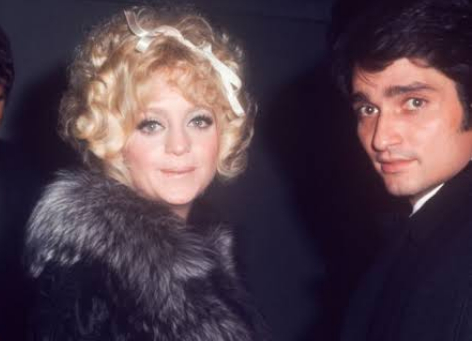
Gus Trikonis with Goldie Hawn
Personal Life
Marriage to Goldie Hawn
In 1969, he married Goldie Hawn, who would later become a major Hollywood star. Their marriage drew attention because Hawn was rising rapidly in popularity, known for her comedic talent and charming screen presence. The union lasted until 1976, and though they divorced, both continued to pursue successful careers in entertainment.
Later Marriage and Family
After his divorce from Hawn, Trikonis married Barbara Andrews in 1978. They had one son, Nicholas Trikonis, who was born in 1981 and later pursued a career in cinematography and acting. Trikonis’ family life remained largely private, reflecting his preference to focus on his work rather than media attention. Barbara Andrews passed away in 2012, leaving Trikonis a widower.
Later Years and Retirement
By the early 2000s, Trikonis had slowed his professional activity, marking a transition into retirement. His last known television directing credit was for an episode of 18 Wheels of Justice in 2001. Following his retirement from active directing and producing, he focused on personal pursuits, including hobbies such as oil painting.
Even in retirement, Trikonis’ legacy continued through the films and television episodes he had directed. His work remained appreciated by fans of both classic cinema and television, particularly those interested in the creative process behind the camera.
Gus Trikonis Net worth
Gus Trikonis has an estimated net worth of around $5 million, which reflects his decades-long career in the entertainment industry. His wealth comes from multiple sources, including his early work as a dancer and actor in films like West Side Story, as well as his extensive career as a director of both movies and television shows. He also earned income from writing and producing several of his projects, which added to his financial standing. Over the years, his steady work behind the camera, combined with residuals and industry experience, contributed to a comfortable financial position, allowing him to retire and focus on personal pursuits while maintaining a stable lifestyle.
Legacy and Influence
Gus Trikonis’ legacy is multifaceted. As a dancer, he contributed to one of Hollywood’s most enduring musicals. As an actor, he brought life to diverse roles in film and television. As a director and writer, he demonstrated versatility across genres, from exploitation films to mainstream comedy and from action-packed television to science fiction and fantasy series.
His career reflects the evolution of American entertainment from the 1960s through the early 2000s. By successfully navigating multiple roles in the industry — performer, director, writer, and producer — Trikonis serves as an example of creative adaptability and dedication. While he may not always be recognized as a leading name, his influence is felt through the numerous projects he shaped, the performances he guided, and the audiences he reached.
Conclusion
Gus Trikonis is a figure whose career embodies the intersection of talent, perseverance, and adaptability. From his early days as a Broadway dancer to his role in West Side Story, and later as a director of both films and television, he has left a remarkable imprint on American entertainment.
His work demonstrates how an artist can evolve with changing trends while maintaining creative integrity. Trikonis’ story is one of dedication, versatility, and quiet influence, showing that meaningful contributions in the entertainment industry are not always accompanied by fame but by a lasting impact on the craft itself. His career remains a testament to the value of skill, adaptability, and passion in the world of performing arts.
FAQs About Gus Trikonis
1. Who is Gus Trikonis and why is he famous?
Gus Trikonis is an American dancer, actor, and director best known for his role as Indio in the classic musical West Side Story and for directing films like Take This Job and Shove It. He also directed numerous popular TV shows, including Baywatch and Quantum Leap.
2. What movies and TV shows did Gus Trikonis direct?
Trikonis directed a variety of films in the 1970s and 1980s, including Supercock, The Swinging Barmaids, Nashville Girl, and The Evil. In television, he directed episodes of shows such as Baywatch, The Flash, Beauty and the Beast, Hercules: The Legendary Journeys, and The Commish.
3. Was Gus Trikonis married to Goldie Hawn?
Yes, Gus Trikonis married actress Goldie Hawn in 1969. They were married for several years before divorcing in 1976. Later, he married Barbara Andrews, and they had one son, Nicholas Trikonis.
4. How much is Gus Trikonis worth?
Gus Trikonis has an estimated net worth of around $5 million, earned from his work as a dancer, actor, director, writer, and producer in film and television over several decades.
5. Is Gus Trikonis still active in Hollywood?
No, Gus Trikonis retired from active film and TV work in the early 2000s. Since then, he has focused on personal pursuits and hobbies, including painting, while maintaining a legacy of work that spans film, television, and stage performance.
News Metric for more informative topics