Hugo Bachega Accent and Languages: From Brazil to British Broadcasting
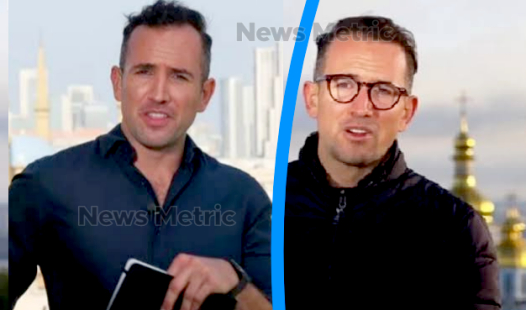
Hugo Bachega is widely recognized not only for his calm, authoritative reporting style but also for a distinctive accent that often sparks curiosity among viewers. As a respected international journalist, his voice carries the weight of global events, and his accent reflects a life shaped by multiple cultures, languages, and professional environments. Understanding Hugo Bachega’s accent requires looking beyond sound alone and into his biography, upbringing, education, and international career, all of which have contributed to the way he speaks today.
Quick Bio Table: Hugo Bachega
| Detail | Information |
|---|---|
| Full Name | Hugo Bachega |
| Date of Birth | 1984 |
| Age | Early 40s (as of 2026) |
| Birthplace | Brazil |
| Nationality | Brazilian |
| Languages | Portuguese, English |
| Profession | Journalist, Foreign Correspondent |
| Employer | BBC News |
| Education | Higher education in the United Kingdom |
| Known For | International conflict reporting, BBC News correspondent roles |
Early Life and Cultural Roots
Hugo Bachega was born in Brazil, a country known for its rich linguistic diversity and distinctive Portuguese pronunciation. Brazilian Portuguese differs significantly from European Portuguese in rhythm, vowel sounds, and intonation. Growing up in Brazil meant that Portuguese was his first language, shaping his foundational speech patterns, mouth movements, and vocal rhythm from an early age. These early linguistic habits play a subtle but lasting role in how a person speaks other languages later in life.
Brazil’s media culture and political environment also influenced Bachega’s early interest in journalism. From a young age, he showed curiosity about international affairs and storytelling, an interest that would later guide him toward a global career. However, his professional voice would not remain limited to a single national influence.
Education and Move to the United Kingdom
A key turning point in Hugo Bachega’s life was his move to the United Kingdom for higher education. Studying in an English-speaking academic environment required not only fluency in English but also adaptability in pronunciation, clarity, and formal speech. British universities place strong emphasis on articulation and structured communication, particularly in fields related to media, politics, and international relations.
During this period, Bachega’s English evolved rapidly. While he retained elements of his Brazilian linguistic background, his pronunciation began aligning more closely with British English norms. This blend laid the foundation for what audiences now recognize as his accent: neither fully British by birth nor heavily foreign, but carefully refined through education and immersion.
Professional Journalism Career
Hugo Bachega’s career in journalism accelerated as he joined major international news organizations, eventually becoming a prominent correspondent for BBC News. Working at the BBC requires adherence to high standards of spoken English, including neutrality, clarity, and audience accessibility. Reporters are trained to minimize strong regional accents to ensure global comprehension.
Over time, Bachega adapted his speech to meet these expectations. His accent softened, became more neutral, and developed a controlled cadence suited for international broadcasting. However, complete accent erasure is neither realistic nor desired. Instead, what emerged was a professional broadcast accent influenced by British English but subtly marked by his Brazilian roots.
What Is Hugo Bachega Accent?
Hugo Bachega’s accent is best described as a neutralized British broadcast accent with subtle Brazilian influence. It is not a traditional regional British accent such as London, Manchester, or Received Pronunciation in its purest form. Instead, it is a carefully moderated international English accent shaped by long-term residence in the UK, professional voice training, and daily use in high-pressure news environments.
Listeners may occasionally notice softer consonants, rounded vowel sounds, or a slightly different stress pattern on certain words. These elements are typical of native Portuguese speakers who achieve near-native fluency in English. However, his accent remains highly intelligible and polished, aligning with the BBC’s global communication standards.
How Hugo Bachega’s Accent Developed
The development of Hugo Bachega’s accent is a result of layered linguistic exposure rather than deliberate imitation. His first language, Portuguese, influenced his early phonetic framework. English, learned and perfected in adulthood, was shaped by academic study and professional necessity rather than casual conversation alone.
Years of reporting from conflict zones, international summits, and diplomatic events required him to communicate clearly with a global audience. This constant exposure led to natural accent refinement. Repetition, listening to colleagues, receiving editorial feedback, and adapting to broadcast norms gradually molded his speech into its current form.
Why His Accent Sounds Distinctive
Many viewers perceive Hugo Bachega’s accent as distinctive because it lacks strong regional markers while still sounding authentic. In an era where media voices often blend into uniformity, his accent stands out for its calm tone and subtle individuality. It reflects international professionalism rather than national identity alone.
His measured pacing, controlled emphasis, and neutral intonation contribute as much to his perceived accent as pronunciation itself. These qualities are hallmarks of experienced foreign correspondents who must convey urgency without panic and seriousness without sensationalism.
Accent and Credibility in Journalism
In broadcast journalism, accent plays a crucial role in perceived credibility. Hugo Bachega’s accent enhances rather than detracts from his authority. His voice communicates trust, composure, and global awareness, qualities essential for reporting on sensitive geopolitical issues.
Rather than attempting to mask his background completely, his speech represents a balanced identity. It signals international experience and cultural fluency, reinforcing his credibility as a journalist who understands the world beyond borders.
Personal Identity and Language
Language is deeply tied to identity, and Hugo Bachega’s accent reflects a life lived across cultures. While English is the language of his profession, Portuguese remains part of his personal identity. This dual linguistic reality adds depth to his communication style and reinforces his ability to connect with diverse audiences.
His accent is not a performance but a natural outcome of lived experience. It represents migration, education, adaptation, and professional growth rather than artificial modification.
Hugo Bachega Wife and Personal Life
Hugo Bachega is known for maintaining a clear boundary between his professional work and his private life. Despite his visibility as an international journalist and BBC foreign correspondent, he has chosen not to publicly disclose details about his marital status or spouse. There is no confirmed public information identifying Hugo Bachega’s wife, and he has never spoken in detail about his relationship or family life in interviews or official public platforms.
This level of privacy is common among journalists who report on sensitive international issues, where personal discretion can be both a personal preference and a professional necessity. By keeping his private life away from public attention, Hugo Bachega ensures that the focus remains on his work, his reporting, and the global stories he covers rather than his personal relationships.
As a result, any claims or assumptions regarding Hugo Bachega’s wife should be treated cautiously, as he has not provided verified details himself. His approach reflects a broader journalistic ethic of separating personal identity from professional responsibility.
Public Interest in Hugo Bachega Accent
Interest in Hugo Bachega’s accent highlights a broader fascination with global voices in modern media. Audiences today are more attuned to linguistic diversity and often seek to understand the backgrounds of journalists who bring international stories into their homes.
Questions about his accent reflect admiration rather than confusion. Viewers recognize his voice as distinctive yet reassuring, marking him as someone who belongs to the world rather than a single place.
Legacy and Professional Standing
Hugo Bachega continues to be a respected figure in international journalism. His accent, much like his reporting style, symbolizes balance, clarity, and cross-cultural understanding. It serves as a reminder that global journalism thrives on diversity, experience, and thoughtful communication.
As his career progresses, his voice will likely remain one of his most recognizable attributes, not because it conforms perfectly to any single standard, but because it authentically represents his journey.
Final Thoughts on Hugo Bachega Accent
Hugo Bachega’s accent is a refined blend of Brazilian linguistic roots and British broadcast professionalism. It developed naturally through education, immersion, and years of international reporting. Rather than fitting neatly into one category, his accent reflects the modern global journalist: adaptable, articulate, and culturally aware.
Understanding his accent offers insight into his life story, career path, and the evolving nature of global media voices in the twenty-first century.
FAQs About Hugo Bachega Accent and Background
Is Hugo Bachega Portuguese?
Hugo Bachega is not Portuguese by nationality. He is Brazilian, having been born and raised in Brazil. While Brazil’s official language is Portuguese, Brazilian nationality is distinct from Portuguese nationality. The confusion often arises because Brazil was historically colonized by Portugal, and the Portuguese language is shared between the two countries. However, Hugo Bachega’s cultural and national background is Brazilian, not European Portuguese.
Why Do People Think Hugo Bachega Is Portuguese?
People often assume Hugo Bachega is Portuguese because of his name and linguistic roots. His first language is Portuguese, and his pronunciation of certain sounds can occasionally reflect Portuguese phonetic influence. Additionally, many viewers are less familiar with the differences between Brazilian Portuguese and European Portuguese, leading to this common misconception.
What Languages Does Hugo Bachega Speak?
Hugo Bachega is fluently bilingual. He speaks Portuguese and English at a professional level. Portuguese is his native language, while English became his primary working language through higher education and his international journalism career. His English fluency is near-native, shaped by years of immersion in the United Kingdom and daily use in global news broadcasting.
Is English Hugo Bachega’s First Language?
No, English is not Hugo Bachega’s first language. His first language is Portuguese, spoken in Brazil. English was acquired later through formal education and professional practice. This background explains why his English accent carries subtle non-native elements while remaining highly polished and clear.
What Type of Accent Does Hugo Bachega Have?
Hugo Bachega has a neutral international British broadcast accent with subtle Brazilian influence. It is not a strong regional British accent, nor is it heavily marked by his Brazilian origins. His speech reflects professional voice training, long-term residence in the UK, and adaptation to BBC broadcasting standards.
Why Does Hugo Bachega Sound British When He Speaks English?
Hugo Bachega sounds British because he studied, lived, and built his career in the United Kingdom. Continuous exposure to British English, combined with the BBC’s emphasis on clarity and neutrality, shaped his pronunciation and intonation. Over time, his English naturally aligned with British broadcast norms without fully losing traces of his original linguistic background.
Has Hugo Bachega’s Accent Changed Over Time?
Yes, Hugo Bachega’s accent has evolved over time. Early in his career, his English likely carried stronger Brazilian phonetic traits. As his professional responsibilities expanded and his on-air presence increased, his accent became more refined, neutral, and globally accessible. Accent change in such cases is typically gradual and unconscious rather than deliberate.
Does Hugo Bachega Use His Accent Differently On and Off Camera?
Like many broadcasters, Hugo Bachega likely uses a more controlled and neutral version of his accent while on air. Off camera, his speech may be more relaxed and reflective of his multilingual background. This shift is common among journalists who must balance authenticity with broadcast clarity.
Is Hugo Bachega’s Accent Trained or Natural?
Hugo Bachega’s accent is largely natural, shaped by immersion rather than artificial modification. While professional guidance and editorial standards influence pronunciation and pacing, his accent developed organically through education, career demands, and daily communication in English-speaking environments.
Does Hugo Bachega’s Accent Affect His Credibility as a Journalist?
On the contrary, Hugo Bachega’s accent enhances his credibility. His calm, neutral, and globally intelligible speech reinforces trust and authority. In international journalism, such accents are often seen as markers of experience, adaptability, and cross-cultural competence
News Metric for more informative Topics