How Mark Wadhwa Revived the Vinyl Industry with The Vinyl Factory
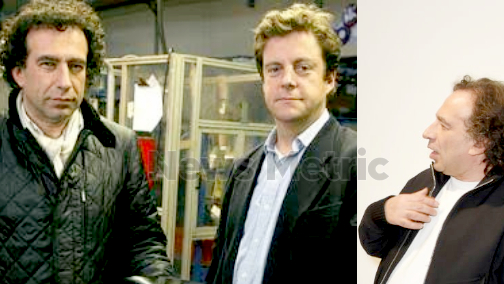
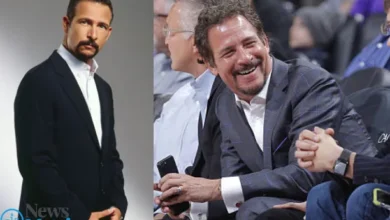
Mark Wadhwa is a renowned British entrepreneur, property developer, and cultural innovator, celebrated for transforming underutilized buildings into thriving creative hubs. Best known for iconic projects like The Vinyl Factory and 180 The Strand, Wadhwa has redefined property development by blending business acumen with cultural preservation and creative innovation. Over the course of his career, he has established a reputation for culture-led regeneration, turning neglected spaces into dynamic centers for art, music, fashion, and media.
With a focus on adaptive reuse, sustainable development, and fostering creative communities, Mark Wadhwa has become a pioneer in London’s real estate and cultural landscape. Beyond his professional achievements, he is also known for his private family life, being married to Alex Eagle and raising two children, while maintaining a consistent commitment to long-term cultural impact.
Quick Bio Table
| Attribute | Details |
|---|---|
| Full Name | Mark Wadhwa |
| Date of Birth | February 1961 |
| Age | 64 (as of 2025) |
| Nationality | British |
| Profession | Entrepreneur, Property Developer, Cultural Innovator |
| Known For | The Vinyl Factory, 180 The Strand |
| Spouse | Alex Eagle |
| Children | Two (Jack and Columba) |
| Industry Focus | Cultural Real Estate, Creative Regeneration |
| Net Worth | Not publicly disclosed |
Early Life and Background
Mark Wadhwa was born in February 1961 in the United Kingdom. Growing up during a period of significant cultural and economic change, Wadhwa was exposed to both the evolving business landscape and the emerging creative industries that were beginning to define urban Britain. While little is publicly known about his formal education or childhood environment, it is evident that Wadhwa developed a keen interest in business, architecture, and cultural heritage from an early age. This combination of interests would later shape his distinctive approach to property development, one that integrates economic growth with cultural enrichment.
Raised in a family that valued entrepreneurship and innovation, Wadhwa was encouraged to think creatively about business opportunities. He was deeply influenced by the way spaces can influence human behavior and community life. These early insights would later guide him in identifying buildings and locations that were not just commercially viable but also culturally significant. His formative years provided the foundation for a career philosophy that emphasizes long-term value, creativity, and sustainability over short-term profit.
Career Beginnings
Mark Wadhwa’s professional journey began in the property sector, where he initially focused on corporate administration and real estate investments. Early in his career, he served in directorial and secretarial roles at several property companies, gaining firsthand experience in corporate governance, investment management, and strategic planning. These roles allowed him to develop a deep understanding of the mechanics of property investment, urban planning, and the economic drivers behind successful real estate ventures.
Unlike many developers of his generation, Wadhwa’s early career was not solely about financial gain. He observed the potential of real estate to shape communities and influence culture, an insight that would later become a hallmark of his work. His initial projects, though modest in scale, reflected a careful balance of practical business strategy and forward-looking creative vision. By focusing on properties with historical or architectural significance, Wadhwa laid the groundwork for his philosophy of cultural regeneration through property development.
The Rise of a Visionary Developer
Wadhwa’s rise to prominence began with a series of bold, high-profile projects that showcased his ability to combine business acumen with cultural stewardship. He quickly gained recognition as a developer who could see potential where others saw only underutilized space, transforming neglected buildings into hubs of creativity and community activity.
The Vinyl Factory: Preserving Music Heritage
One of Wadhwa’s most influential projects is The Vinyl Factory, a venture that underscores his commitment to preserving cultural heritage while building sustainable businesses. At a time when vinyl records were increasingly viewed as obsolete, Wadhwa saw an opportunity to revive both the product and the industry. He acquired a pressing plant that had historical significance and transformed it into a facility capable of producing high-quality vinyl records while simultaneously functioning as a cultural hub.
The Vinyl Factory is much more than a manufacturing facility. Under Wadhwa’s leadership, it has become a creative ecosystem, hosting art exhibitions, collaborations with designers and musicians, and events that bridge the worlds of commerce and culture. By combining production with cultural programming, Wadhwa has turned The Vinyl Factory into a model for how businesses can serve both economic and cultural purposes. The project also reflects his ability to identify undervalued assets and leverage them for long-term impact.
180 The Strand: A Cultural Landmark
Another defining project in Wadhwa’s career is 180 The Strand, a large Brutalist-era building in central London. When he purchased the building in 2012, it was largely underutilized, a relic of a bygone architectural era. Recognizing its potential, Wadhwa embarked on a transformative redevelopment project that would turn the building into a multidisciplinary creative center.
Today, 180 The Strand serves as a hub for a diverse range of industries, including art, fashion, media, technology, and entertainment. The building houses studios, production spaces, exhibition areas, offices, and event venues, making it one of London’s most dynamic creative complexes. Wadhwa’s approach to the redevelopment emphasized adaptive reuse, preserving the building’s architectural integrity while introducing modern functionality and amenities. This project exemplifies his belief that property development should enhance cultural value and community engagement, not just financial return.
Mark Wadhwa Business Philosophy and Approach
Mark Wadhwa’s approach to business is distinguished by its culture-led, long-term perspective. Unlike developers who focus primarily on short-term profit, Wadhwa seeks to create sustainable spaces that foster creativity, innovation, and community. His projects are carefully selected based on their potential to support cultural ecosystems, whether through art, music, fashion, or media.
This philosophy is evident in every aspect of his work. Wadhwa invests in properties with historical, architectural, or cultural significance and transforms them into functional spaces that serve both commercial and creative purposes. He emphasizes adaptive reuse over demolition, preserving the character of buildings while modernizing them for contemporary needs. By doing so, Wadhwa ensures that his developments provide long-term value not only for investors but also for the communities and industries they serve.
Another core aspect of his approach is integration with the creative sector. Wadhwa actively collaborates with artists, designers, musicians, and cultural organizations to curate spaces that support innovation and expression. This approach has positioned him as a thought leader in urban cultural regeneration, influencing other developers and policymakers who seek to balance economic growth with cultural vitality.
Personal Life and Family
Mark Wadhwa is known for maintaining a private personal life, but some key details are publicly known. He is married to Alex Eagle, a curator and retail entrepreneur whose work complements Wadhwa’s focus on culture-driven property development. The couple shares a home in London and has two children, Jack and Columba. While Wadhwa prefers to keep his family life out of the spotlight, it is clear that his family shares his passion for creativity, design, and cultural engagement.
Wadhwa’s approach to personal and professional life reflects his broader philosophy: balance and long-term vision. Just as he invests in properties with lasting cultural value, he nurtures his family and personal relationships with thoughtfulness and care. This integration of personal values and professional pursuits contributes to his reputation as a developer who prioritizes legacy and impact over transient success.
Mark Wadhwa Net Worth and Financial Profile
Despite his high-profile projects and entrepreneurial success, Mark Wadhwa’s exact net worth is not publicly disclosed. His wealth is primarily derived from his ownership stakes in cultural and property ventures such as The Vinyl Factory and 180 The Strand. Rather than focusing on public recognition of wealth, Wadhwa’s profile is better understood in terms of creative influence and cultural impact. His projects generate revenue and provide economic value, but their true significance lies in the communities and industries they support.
Wadhwa’s financial strategy emphasizes long-term value creation, reinvesting in projects that support culture and creativity rather than pursuing short-term gain. This approach has allowed him to build sustainable businesses while simultaneously enhancing the cultural landscape of London.
Achievements and Contributions
Mark Wadhwa has made numerous contributions to both the business and creative communities. His achievements include:
- Revival of Vinyl Culture – Through The Vinyl Factory, Wadhwa has preserved a historic industry while creating a modern cultural hub for music, art, and design.
- Cultural Regeneration of 180 The Strand – Wadhwa’s transformation of this central London building demonstrates the potential of real estate to support multidisciplinary creative communities.
- Promotion of Adaptive Reuse – His projects showcase how existing structures can be repurposed for contemporary needs while preserving architectural and cultural heritage.
- Leadership in Creative Property Development – Wadhwa’s vision has influenced other developers and policymakers to consider culture as a core component of urban planning.
- Support for Emerging Talent – By providing studios, exhibition spaces, and platforms for creative professionals, Wadhwa actively nurtures new talent in music, art, fashion, and technology.
Legacy and Impact
Mark Wadhwa’s legacy is not measured by the number of buildings he owns or the profits he earns but by the lasting cultural impact of his work. His developments have transformed underutilized spaces into vibrant centers of creativity, providing platforms for artists, designers, and entrepreneurs to thrive. He has demonstrated that property development can be a force for cultural enrichment, bridging the gap between commerce and creativity.
Wadhwa’s projects also serve as models for sustainable urban development. By prioritizing adaptive reuse, cultural programming, and community engagement, he has created spaces that benefit both investors and the public. His work has inspired a new generation of developers to consider how buildings can contribute meaningfully to the cultural and social fabric of cities.
Mark Wadhwa Career Timeline
| Year | Milestone / Project | Details |
|---|---|---|
| 1990s | Early Property Roles | Began career in property development, taking on directorial and secretarial roles in UK property companies, gaining foundational experience in real estate investment and corporate governance. |
| 2000 | First Independent Investments | Started acquiring small-scale properties, focusing on undervalued or underutilized urban spaces with potential for redevelopment. |
| 2005 | Focus on Cultural Property | Shifted focus to creative and culture-led real estate, exploring ways to integrate art, music, and design into commercial developments. |
| 2010 | Acquisition of The Vinyl Factory | Purchased the historic EMI record pressing plant, transforming it into a thriving vinyl production facility and creative hub. |
| 2012 | Purchase of 180 The Strand | Acquired the Brutalist-era building in central London, beginning the project to transform it into a multidisciplinary cultural center. |
| 2014 | Launch of Creative Spaces at 180 The Strand | Completed the first phase of redevelopment, opening offices, studios, and exhibition areas to artists, media companies, and fashion brands. |
| 2016 | Expansion of The Vinyl Factory | Expanded cultural programming, including art exhibitions, live events, and collaborations with global designers and musicians. |
| 2018 | Recognition as Culture-led Developer | Gained industry recognition for adaptive reuse projects that combine real estate investment with cultural regeneration. |
| 2020 | Ongoing Urban Innovation | Continued to support creative communities and innovative projects at 180 The Strand, hosting international creative organizations and events. |
| 2023-2025 | Long-Term Vision | Focused on maintaining and expanding his portfolio of culturally significant properties, emphasizing sustainability, heritage, and creative impact. |
Conclusion
Mark Wadhwa stands out as a visionary property developer and cultural entrepreneur whose work has reshaped the creative landscape of London. From the revival of The Vinyl Factory to the transformation of 180 The Strand, Wadhwa has shown that real estate can serve as more than a financial asset—it can be a platform for creativity, heritage preservation, and community engagement.
His philosophy of long-term value, culture-led regeneration, and adaptive reuse has set a benchmark for responsible and impactful development. Wadhwa’s influence extends beyond the buildings he develops; it is reflected in the thriving creative communities, preserved cultural industries, and innovative urban spaces he leaves behind.
While his exact net worth remains private, his legacy of creative vision, cultural stewardship, and entrepreneurial success ensures that Mark Wadhwa will remain a key figure in the intersection of business, culture, and urban development for years to come.
People Also Ask (FAQ Section)
Q1: Who is Mark Wadhwa?
Mark Wadhwa is a British entrepreneur, property developer, and cultural innovator, best known for projects like The Vinyl Factory and 180 The Strand, where he combines real estate investment with creative and cultural development.
Q2: How old is Mark Wadhwa?
Mark Wadhwa was born in February 1961, making him 64 years old as of 2025.
Q3: What is Mark Wadhwa’s net worth?
Mark Wadhwa’s exact net worth is not publicly disclosed. His wealth is tied to his ownership stakes in properties and ventures such as The Vinyl Factory and 180 The Strand.
Q4: Who is Mark Wadhwa married to?
He is married to Alex Eagle, a curator and retail entrepreneur. They share two children and live in London.
Q5: What are Mark Wadhwa’s most notable projects?
His two most significant projects are The Vinyl Factory, a vinyl pressing and cultural hub, and 180 The Strand, a central London building transformed into a multidisciplinary creative center.
Q6: What is Mark Wadhwa known for?
Mark Wadhwa is known for culture-led property development, adaptive reuse of historic buildings, and fostering creative communities through his developments.
Q7: Where does Mark Wadhwa live?
Mark Wadhwa resides in London with his family.
Q8: How did Mark Wadhwa start his career?
He began in property development with directorial and secretarial roles in the 1990s before gradually moving into creative and culture-focused property investments.
Q9: Why is Mark Wadhwa influential in creative real estate?
His influence comes from blending commerce with culture, revitalizing historic buildings into hubs for creativity, art, and innovation, setting a benchmark for sustainable urban development.
Q10: Does Mark Wadhwa have children?
Yes, he has two children named Jack and Columba.
News Metric for more informative topics