
Roberts Bakery Rescued: How a Historic UK Bakery Was Saved and Jobs Protected
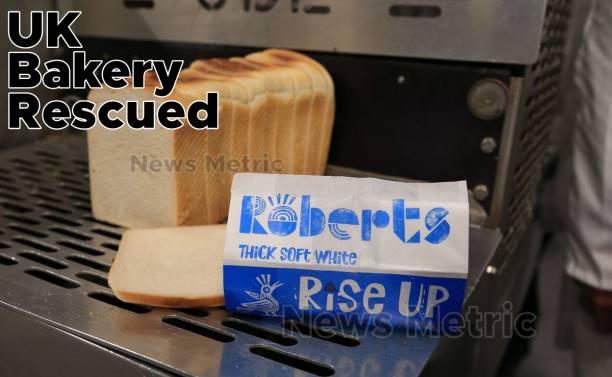
The rescue of Roberts Bakery has brought renewed attention to the challenges facing long-established British food manufacturers in a rapidly changing economic landscape. Founded in the late nineteenth century, Roberts Bakery built its reputation on traditional breadmaking and regional supply, becoming a familiar name to retailers and consumers alike. However, rising production costs, shifting consumer habits, and operational setbacks placed the historic business under increasing strain, ultimately pushing it toward financial crisis.
In 2025, the future of the 138-year-old bakery hung in the balance as the company moved closer to administration. The situation raised serious concerns about job losses, supply chain disruption, and the potential disappearance of a brand deeply rooted in the UK’s baking heritage. A timely rescue, completed through a structured acquisition, changed the course of events. This article examines what happened to Roberts Bakery, how the rescue was achieved, who now owns the business, and what the development means for employees, customers, and the wider bakery industry.
Quick Bio Table: Roberts Bakery Overview
| Detail | Information |
|---|---|
| Company Name | Frank Roberts & Sons Ltd (Roberts Bakery) |
| Founded | 1887 |
| Country | United Kingdom |
| Headquarters | Northwich, Cheshire |
| Industry | Bread and bakery manufacturing |
| Key Products | Bread loaves, rolls, teacakes, biscuits |
| Rescue Year | 2025 |
| New Owner | Private investment group |
| Jobs Saved | Over 400 |
| Trading Name Post-Rescue | Roberts Bakery 1887 Ltd |
| Status | Operating under new ownership |
The Origins and Growth of Roberts Bakery
Roberts Bakery began as a small family operation in Cheshire in 1887. Over generations, it expanded steadily, supplying bread and baked goods across large parts of England. The business earned a reputation for consistency, traditional recipes, and strong ties to the communities where its bakeries operated. Unlike newer brands, Roberts carried a sense of heritage that resonated with customers who valued familiarity and trust in everyday food products.
By the early twenty-first century, the company had grown into a major regional supplier with multiple production sites and hundreds of employees. However, heritage alone was not enough to shield the bakery from modern commercial pressures.
What Happened to Roberts Bakery
The troubles that led to the crisis at Roberts Bakery developed over several years rather than overnight. A combination of rising costs, operational disruption, and changing consumer habits placed increasing strain on the business.
One of the most damaging events was a serious fire at a key production facility, which disrupted output and required expensive repairs. At the same time, the cost of ingredients, energy, transport, and wages rose sharply. Supermarkets, which represent a major share of bread sales in the UK, continued to demand low prices, reducing profit margins for suppliers like Roberts.
Consumer behavior also shifted. Demand for traditional sliced bread declined as shoppers turned toward alternative products such as wraps, bagels, specialty loaves, and gluten-free options. These changes left the company facing falling volumes in its core product lines while still carrying the fixed costs of large-scale manufacturing.
Eventually, cashflow pressures became unsustainable, and the business formally signaled that it could enter administration, putting its future and workforce at serious risk.
How Roberts Bakery Rescued
The rescue of Roberts Bakery came through a structured business sale carried out during the administration process. Instead of shutting down operations, a buyer stepped in at a critical moment to acquire the core parts of the business and continue trading.
A private investment group with experience in the food sector took ownership of the main bakery operations and created a new company to carry the business forward. This approach allowed production to continue with minimal disruption, ensuring that customers still received products and employees could remain in their roles.
While not every role could be saved, the rescue preserved the majority of jobs and prevented the complete closure of the company. The new ownership focused on stabilizing finances, maintaining supply chains, and giving the business breathing space to reorganize and plan for the future.
Why the Rescue Was So Important
The rescue of Roberts Bakery mattered on several levels. First and most importantly, it protected the livelihoods of hundreds of workers. Many employees had spent years or even decades with the company, and the potential loss of so many jobs would have had serious consequences for local communities.
Second, the rescue preserved a historic British brand. Food manufacturing heritage is disappearing rapidly, and the survival of a bakery founded in the nineteenth century carries cultural as well as commercial significance.
Third, the situation highlighted the realities facing the modern bakery industry. Even long-established companies are vulnerable when costs rise faster than prices and consumer habits evolve. The Roberts Bakery case has become a clear example of why adaptability, investment, and timely intervention are essential.
The Life Cycle of Roberts Bakery as a Business
From its founding to its rescue, Roberts Bakery’s story reflects the broader journey of many traditional manufacturers. It began as a family enterprise, grew through industrial expansion, adapted to supermarket supply chains, and eventually faced pressure from globalization and shifting diets.
The rescue represents a new phase in that life cycle. Under new ownership, the bakery is no longer a family-run business but remains rooted in its original identity. This transition offers opportunities to modernize operations, reassess product ranges, and focus on areas of growth while retaining the brand values that customers recognize.
How the Bakery Plans to Move Forward
Following the rescue, the immediate priority was stability. Ensuring consistent production, retaining key staff, and maintaining relationships with retailers were essential first steps. With those foundations in place, the business can now focus on longer-term strategy.
Future plans are expected to include greater efficiency in manufacturing, reduced exposure to loss-making product lines, and increased focus on higher-value bakery goods. Innovation, sustainability, and responsiveness to consumer trends will likely play a central role in shaping the next chapter of the company’s history.
Lessons from the Roberts Bakery Rescue
The story of Roberts Bakery offers valuable lessons for the wider food industry. Heritage alone does not guarantee survival, but it can be an asset when paired with strategic investment and operational change. Early recognition of financial stress, openness to restructuring, and willingness to accept new ownership can mean the difference between collapse and continuity.
For employees, the rescue demonstrates the importance of swift action during corporate crises. For consumers, it shows how familiar brands can survive even the most difficult circumstances when the right solutions are applied at the right time.
Detailed Timeline of Events: What Happened to Roberts Bakery?
Roberts Bakery’s journey from stability to crisis and eventual rescue unfolded over several key stages, shaped by both unexpected events and long-term industry pressures.
The company entered the early 2020s operating as a well-known regional bakery with strong supermarket contracts and a workforce spread across multiple production sites. Despite its long history, margins were already under pressure due to intense retail competition and rising input costs.
In 2023, a major fire broke out at one of Roberts Bakery’s core production facilities in Northwich. This incident significantly disrupted output and forced the company to rely on alternative production arrangements while repairs and rebuilding took place. The financial impact of the fire was substantial, increasing costs and reducing efficiency at a time when the wider food industry was already facing inflationary pressure.
Throughout 2024, the bakery struggled with a combination of higher energy bills, increased ingredient prices, and weaker demand for traditional bread products. Consumer preferences continued shifting toward specialty and premium baked goods, while supermarkets maintained strict pricing structures that limited the company’s ability to pass on rising costs.
By mid-2025, cashflow pressures intensified. Despite efforts to restructure internally, the company reached a point where it could no longer operate sustainably under its existing financial obligations. A formal notice was filed indicating that administrators could be appointed, signaling a serious risk of collapse.
In October 2025, a rescue solution was finalized. A private investment group acquired the core business through a structured sale, allowing operations to continue under a newly formed company. This intervention saved more than 400 jobs and ensured that Roberts Bakery could keep trading rather than closing permanently.
Following the acquisition, the business began operating under the name Roberts Bakery 1887 Ltd, marking a new chapter focused on stability, efficiency, and long-term recovery.
Conclusion
Roberts Bakery Rescued represents a significant moment for the UK food manufacturing sector, illustrating both the vulnerability and resilience of heritage brands. While the business was unable to withstand prolonged financial pressure under its former structure, the intervention of new ownership ensured continuity, safeguarded hundreds of jobs, and preserved a company with more than a century of history.
As Roberts Bakery moves forward under a new corporate identity, its survival will depend on strategic adaptation, operational efficiency, and responsiveness to evolving consumer demand. The events leading to the rescue serve as a reminder that even the most established brands must evolve to remain competitive. For now, the successful rescue has secured the bakery’s place in the market and provided a foundation for its next chapter, reinforcing its relevance in a modern and highly competitive food industry.
FAQs About Roberts Bakery Rescued
What happened to Roberts Bakery?
Roberts Bakery faced severe financial difficulties after a combination of rising costs, operational disruption caused by a major factory fire, and declining demand for traditional bread products. These pressures led the company to the brink of administration. In 2025, the business was rescued through a structured sale to a private investment group, allowing it to continue operating and saving hundreds of jobs.
Who is the CEO of Roberts Bakery?
Following the rescue, leadership responsibilities transitioned as part of the restructuring process. The company now operates under new ownership, with executive management focused on stabilizing the business and guiding it through recovery. Day-to-day leadership is overseen by senior management appointed under the new corporate structure rather than the original family leadership.
Who owns Frank Roberts Bakery?
Frank Roberts & Sons Ltd, commonly known as Roberts Bakery, is no longer owned by the founding family. Ownership transferred during the rescue process when the core business was acquired and relaunched under a new legal entity. The brand now operates as Roberts Bakery 1887 Ltd under private ownership.
Who acquired Roberts Bakery?
Roberts Bakery was acquired by a private investment group with experience in the food and manufacturing sector. The acquisition took place during the administration process and was designed to preserve the business as a going concern, protect jobs, and maintain production. This new owner now controls the brand and its main operating sites.
News Metric for more infromative topics