
Sally Thomsett Face Illness: The Truth Behind the Speculation and Her Life Story
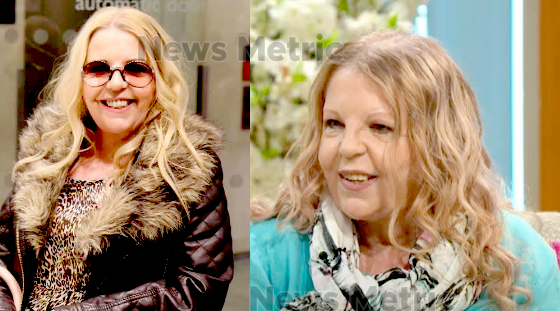
Sally Thomsett is a familiar and much-loved name in British television history, best remembered for her iconic role as Jo in the classic sitcom Man About the House. Over the decades, her work, charm, and distinctive presence have earned her lasting recognition. In recent years, however, online searches and public curiosity have increasingly focused on the phrase “Sally Thomsett face illness,” prompting questions about her health, appearance, and personal life. To understand this topic properly, it is essential to look at verified facts, her life journey, and the nature of public speculation surrounding aging actors.
Quick Bio Table
| Detail | Information |
|---|---|
| Full Name | Sally Elizabeth Thomsett |
| Date of Birth | 3 April 1950 |
| Place of Birth | Sussex, England |
| Nationality | British |
| Profession | Actress |
| Famous For | Jo in Man About the House |
| Years Active | 1960s–early 2000s |
| Known Health Issues | No confirmed public facial illness |
| Marital Status | Private |
| Current Status | Lives a largely private life |
Early Life and Background
Sally Thomsett was born in Sussex, England, and showed an early interest in acting. Growing up during a time when British television was expanding rapidly, she found opportunities that allowed her talent to flourish at a young age. Her upbringing remained relatively private, and unlike many modern celebrities, very little of her personal life was shared publicly during her formative years.
Her early exposure to performance helped shape a confident and expressive screen presence, which later became one of her most recognizable traits. These qualities would eventually play a major role in her success during the 1970s.
Rise to Fame and Career Success
Sally Thomsett rose to national prominence in the early 1970s when she was cast as Jo in Man About the House. The role made her a household name almost overnight. Her portrayal of a modern, independent young woman resonated with audiences at a time when social attitudes in Britain were changing.
The success of the show led to film adaptations and further television work, cementing her status as one of the era’s most recognizable faces. At the height of her career, Thomsett was frequently featured in magazines, interviews, and public appearances, where her youthful look and expressive facial features became part of her public identity.
What Is Meant by “Sally Thomsett Face Illness”
The phrase “Sally Thomsett face illness” largely originates from online speculation rather than confirmed medical information. To date, there has been no verified public statement from Sally Thomsett or credible medical sources confirming that she suffers from any facial illness.
Much of the discussion appears to stem from comparisons between her appearance during her acting years and more recent, rare public sightings. As with many actors who step away from the spotlight, natural aging, changes in weight, lighting, and long periods away from cameras can significantly alter how someone looks to the public eye.
How Facial Illness Rumors Begin
Rumors about facial illness often arise when a well-known public figure ages outside the constant visibility of television or film. In Sally Thomsett’s case, her decision to live privately has meant that audiences are not accustomed to seeing her gradual changes over time.
When older photographs are compared to newer ones without context, assumptions are sometimes made about illness, cosmetic procedures, or medical conditions. This pattern is common among former actors, particularly women, whose appearances were once closely scrutinized in the media.
The Role of Aging and Privacy
Aging is a natural biological process that affects facial structure, skin elasticity, and muscle tone. For someone like Sally Thomsett, who achieved fame at a young age, these changes can appear more dramatic when contrasted with images from her twenties.
It is also important to understand that Thomsett deliberately stepped away from high-profile acting and public life. This choice allowed her to live without constant scrutiny but also left room for speculation when curiosity about her resurfaced years later.
How the Media Has Handled the Topic
Mainstream media outlets have generally avoided making direct claims about Sally Thomsett having a facial illness, largely because there is no factual basis for such assertions. Most credible discussions emphasize that she has kept her health matters private and deserves the same respect afforded to any individual outside the public eye.
The absence of official statements strongly suggests that claims of a face illness are speculative rather than factual.
Life After Acting
After enjoying years of success, Sally Thomsett gradually reduced her acting work. Unlike many of her contemporaries, she chose not to remain in the entertainment spotlight indefinitely. This decision reflects a desire for a quieter, more personal life away from the pressures of fame.
Her later years have been characterized by privacy, which has contributed to her enduring mystique and the curiosity surrounding her current appearance and health.
Why Public Interest Remains Strong
Interest in Sally Thomsett persists because she represents a nostalgic era of British television. Fans who grew up watching her performances often feel a deep emotional connection and natural concern for her wellbeing.
Searches related to “Sally Thomsett face illness” are less about sensationalism and more about curiosity, concern, and a desire for reassurance about a beloved actress.
How Public Memory Shapes Illness Narratives
Public memory plays a powerful role in the creation of illness narratives. In Sally Thomsett’s case, many viewers remember her youthful, expressive face from Man About the House, a role she played in her early twenties. When a person is remembered almost exclusively from a specific life stage, any later visual contrast can feel abrupt to the audience. This contrast is frequently misinterpreted as a sign of ill health rather than the normal progression of life.
Psychologically, this phenomenon is known as “nostalgic anchoring,” where the mind anchors a person’s identity to a past image. Once anchored, deviations from that image can trigger concern, confusion, or speculation, even when no medical issue exists.
What Is Actually Known About Sally Thomsett’s Health
From an accuracy standpoint, it is important to state clearly that Sally Thomsett has never publicly disclosed having a facial illness or condition affecting her appearance. There are no verified interviews, medical disclosures, or credible reports that confirm any such diagnosis. Her withdrawal from public life was a personal decision rather than one attributed to health problems.
The lack of reliable information is itself meaningful. In the modern media landscape, genuine health issues involving well-known figures are usually confirmed through interviews, representatives, or trusted publications. The absence of these indicators strongly suggests that claims about a facial illness are unfounded.
How the Internet Amplifies Assumptions
Search engines and social media platforms often amplify curiosity-based phrases such as “Sally Thomsett face illness” because they reflect common search behavior, not confirmed facts. Once such a phrase gains traction, it can appear repeatedly across forums, blogs, and suggestion boxes, creating the illusion of legitimacy.
This cycle illustrates how digital algorithms can unintentionally turn speculation into perceived truth. Readers encountering these phrases without context may assume that an illness has been confirmed when, in reality, the phrase originated from unverified curiosity rather than evidence.
Why Sally Thomsett Chose a Private Life
Unlike many celebrities who remain active in interviews and public appearances, Sally Thomsett made a clear transition away from public visibility. This decision should be viewed as a form of agency rather than avoidance. After achieving significant success at a young age, she had the financial and personal freedom to redefine her life on her own terms.
Living privately also meant distancing herself from the intense scrutiny placed on female actors, particularly as they age. In this sense, her choice can be seen as both practical and empowering.
How Aging Naturally Affects Facial Appearance
From a biological perspective, facial changes over time are inevitable. Muscle tone softens, skin elasticity decreases, and bone structure subtly shifts. These changes occur regardless of health status and are influenced by genetics, lifestyle, and environmental factors.
For individuals who are not constantly photographed, these changes can appear sudden when observed after many years. In Sally Thomsett’s case, long gaps between public images intensify this effect, leading some observers to draw incorrect conclusions.
The Gendered Nature of Appearance Scrutiny
It is also important to acknowledge that women in the public eye are disproportionately scrutinized for physical changes. Male actors from the same era often experience aging without similar levels of speculation regarding illness. This imbalance contributes to the persistence of unfounded narratives around appearance, particularly when women step away from media exposure.
Sally Thomsett’s situation fits into this wider pattern, where absence from the spotlight invites commentary rather than understanding.
Reframing the Conversation Around Legacy
Rather than centering discussions on appearance or rumored illness, a more meaningful focus lies in Sally Thomsett’s professional legacy. Her work remains an important part of British television history, reflecting cultural shifts and evolving social norms of the time.
Her performances continue to be revisited through reruns and retrospectives, allowing new audiences to appreciate her talent without the distractions of modern speculation.
What Readers Should Take Away
For readers searching for information about “Sally Thomsett face illness,” the most accurate takeaway is that no confirmed medical condition has been publicly associated with her appearance. The topic itself serves as a reminder of how easily assumptions can form when public figures choose privacy.
Respect for personal boundaries, especially in later life, is essential. Sally Thomsett’s story is ultimately one of success, independence, and the right to live beyond public expectation.
Myth vs Fact: Sally Thomsett Face Illness
Myth: Sally Thomsett has a confirmed facial illness
Fact: There is no public record, interview, or medical confirmation stating that Sally Thomsett has ever suffered from a facial illness. This claim is based entirely on online speculation rather than verified information.
Myth: Changes in her appearance indicate a serious health condition
Fact: Natural aging, lifestyle changes, and long absences from public view can significantly alter appearance. These changes are normal and do not imply illness.
Myth: Sally Thomsett left acting due to health problems
Fact: There is no evidence supporting this claim. Her withdrawal from acting appears to be a personal lifestyle choice rather than a health-related necessity.
Myth: Media sources have confirmed concerns about her face
Fact: Reputable media outlets have not reported any concerns regarding a facial illness. Most references originate from informal discussions and search trends.
Myth: Sally Thomsett has addressed her face illness publicly
Fact: She has never publicly spoken about having a facial illness, reinforcing the likelihood that such claims are unfounded.
Timeline-Style Life Expansion
1950
Sally Elizabeth Thomsett is born on 3 April 1950 in Sussex, England. Her early life is largely private, with little public documentation, reflecting a modest upbringing away from media attention.
1960s
She begins acting at a young age, appearing in minor television roles. During this period, she develops the screen confidence and expressive style that later define her career.
Early 1970s
Thomsett achieves national fame after being cast as Jo in Man About the House. The show becomes a cultural phenomenon in Britain, and her performance earns widespread recognition.
Mid-1970s
She reprises her role in film adaptations of the series, further strengthening her public profile. At this stage, she is considered one of the most recognizable young actresses on British television.
Late 1970s to 1980s
After the peak of her fame, she gradually reduces her acting commitments. Unlike many contemporaries, she avoids constant media exposure.
1990s
Sally Thomsett largely steps away from acting and public appearances, choosing a quieter life outside the entertainment industry.
2000s to Present
She maintains a private lifestyle. Public interest resurfaces mainly through reruns of her work and online searches, including curiosity-driven topics such as her appearance and health.
Closing Perspective
Sally Thomsett remains a respected figure whose influence extends beyond her years on screen. While curiosity about her life is understandable, accuracy matters more than speculation. Her biography is best understood through her achievements and choices, not unverified claims.
As interest continues, it is worth remembering that stepping away from fame does not require explanation, and aging does not require justification. Sally Thomsett’s life stands as proof that a lasting legacy can exist quietly, without constant public validation.
FAQs
What is Sally Thomsett face illness?
There is no confirmed medical condition or facial illness associated with Sally Thomsett. The phrase “Sally Thomsett face illness” originates from online curiosity and speculation rather than verified health information or public statements.
Does Sally Thomsett have a facial disease?
No credible source or public disclosure indicates that Sally Thomsett has ever had a facial disease. Claims suggesting otherwise are not supported by medical evidence or reliable reporting.
Why do people think Sally Thomsett has a face illness?
This assumption largely comes from comparisons between her appearance during her early acting career and her later, rare public appearances. Natural aging and long absences from public view often lead to misconceptions.
Did Sally Thomsett’s appearance change due to illness?
There is no evidence that illness caused any changes in Sally Thomsett’s appearance. Facial changes over time are a normal part of aging and can be influenced by lifestyle, genetics, and time away from the camera.
Did Sally Thomsett leave acting because of health problems?
There is no indication that health issues influenced Sally Thomsett’s decision to step away from acting. Her reduced public presence appears to be a personal choice rather than a medical necessity.
Has Sally Thomsett spoken publicly about her health?
Sally Thomsett has not publicly discussed her health or addressed claims about facial illness. Her long-standing preference for privacy has limited public information about her personal life.
Is Sally Thomsett still alive?
Yes, Sally Thomsett is alive. She lives a private life away from public attention, and no credible reports suggest otherwise.
Are rumors about Sally Thomsett’s face illness true?
No verified sources confirm these rumors. They are based on speculation rather than factual reporting or official statements.
Why is Sally Thomsett rarely seen in public now?
After achieving success at a young age, Sally Thomsett chose to live a quieter life outside the entertainment industry. Her absence from public appearances is a personal lifestyle decision.
Should claims about Sally Thomsett’s health be trusted?
Health-related claims should only be trusted when supported by credible sources or direct statements. In Sally Thomsett’s case, no such confirmations exist.
News metric for more infromative topics