
Who was Charles Edward Murphy? Father of Eddie Murphy & Charlie Murphy
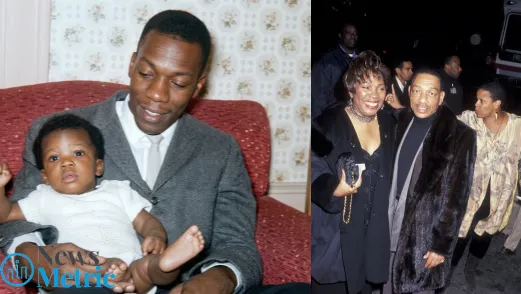
Charles Edward Murphy was an American transit police officer, amateur comedian, and performer whose life, though short, played a meaningful role in shaping one of the most influential entertainers of modern times, Eddie Murphy. His story is closely tied to family, early artistic influence, and a tragic death that left a lasting mark on his children. While he did not achieve mainstream fame himself, his personality, humour, and presence deeply influenced the development of comedy within his family, especially through his son’s later success.
This article provides a full biography of his life, background, family, career, and legacy, written in a clear and detailed narrative.
Charles Edward Murphy Profile Bio
| Field | Details |
|---|---|
| Full Name | Charles Edward Murphy |
| Known As | Father of Eddie Murphy and Charlie Murphy |
| Date of Birth | 30 October 1940 |
| Place of Birth | Brooklyn, New York City, United States |
| Nationality | American |
| Ethnicity | African-American |
| Profession | Transit Police Officer, Amateur Comedian, Actor |
| Famous For | Being the father of Eddie Murphy and Charlie Murphy |
| Years Active | 1960s (informal comedy and acting involvement) |
| Marital Status | Married (later divorced) |
| Ex-Wife | Lillian Murphy (later Lillian Lynch) |
| Children | Eddie Murphy, Charlie Murphy |
| Grandchildren | Includes Bria Murphy and several others from Eddie Murphy’s large family |
| Residence | Brooklyn, New York, United States |
| Death Date | 22 August 1969 |
| Age at Death | 28 years |
| Place of Death | New York City, United States |
| Cause of Death | Homicide |
Who Is Charles Edward Murphy?
Charles Edward Murphy was an American man born in Brooklyn, New York, in 1940. He worked as a transit police officer while also pursuing creative interests such as comedy and acting. He is best known as the biological father of Eddie Murphy, one of the most successful comedians and actors in the world.
Though he never became widely recognised during his lifetime, Charles Murphy’s influence on his son’s sense of humour and performance style has been acknowledged in various sources. His life represents a blend of public service and artistic ambition, set against the backdrop of mid-20th-century urban America.
When was Charles Born, His Early Life and Background
Charles Edward Murphy was born on 30 October 1940 in Brooklyn, New York City, an area known for its diverse communities and strong cultural identity.
Growing up in Brooklyn during the 1940s and 1950s meant living in a rapidly changing environment shaped by post-war America.
Brooklyn, particularly during that era, was a place where storytelling, music, and street culture influenced everyday life. This environment likely contributed to Murphy’s creative instincts and his ability to connect with people through humour.
Charles Edward Murphy was married to Lillian Murphy
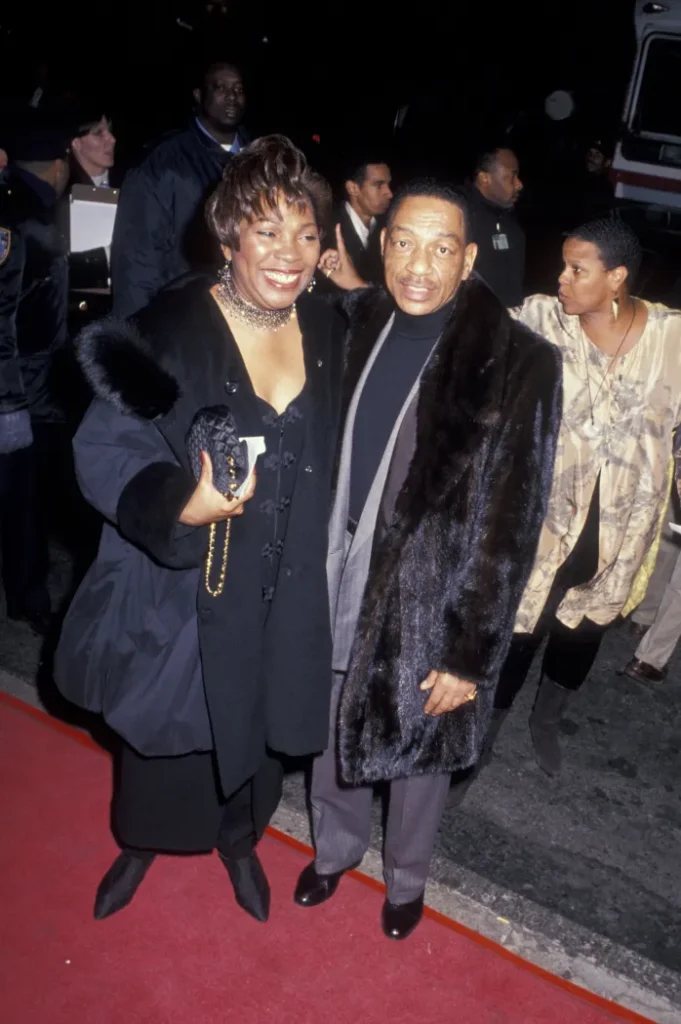
Charles Edward Murphy was married to Lillian Murphy, who later became known as Lillian Lynch after remarrying. She was a telephone operator by profession, working to support her family during a time when stable income was essential for raising children in New York City. Lillian played a central role in the early upbringing of their sons, Eddie Murphy and Charlie Murphy, especially during the years when Charles was balancing his police work and personal interests in comedy. Her life reflected strength and responsibility, as she managed both work and family duties.
After the tragic death of Charles Edward Murphy in 1969, Lillian faced significant challenges raising her children on her own. During a period of illness, her sons temporarily entered foster care, highlighting the difficult circumstances the family endured. She later married Vernon Lynch, who became a supportive stepfather to the boys and helped provide stability. Lillian’s resilience and determination were key factors in shaping the environment in which her children grew up, ultimately contributing to their development into successful figures in entertainment.
Career and Professional Life
Work as a Transit Police Officer
Charles Murphy’s primary occupation was as a transit police officer in New York City.
The role of a transit officer involved maintaining safety and order within the city’s public transportation system, which was a demanding and often dangerous job. Working in such an environment required discipline, awareness, and resilience. His work placed him in direct contact with a wide range of people and situations, shaping his understanding of urban life.
Interest in Comedy and Acting
Alongside his official profession, Murphy was also an amateur comedian and actor.
He reportedly performed stand-up comedy and engaged in entertainment activities, which reflected his natural sense of humour. While he did not reach major commercial success, his passion for performance was evident.
This combination of law enforcement and creative expression made him a unique figure. His comedic talent, even if not widely documented, became part of his personal legacy, particularly through his children.
Personality and Talents
Charles Edward Murphy was known for being humorous, expressive, and artistically inclined. Accounts suggest that he had a natural ability to entertain and make people laugh.
His interest in comedy and performance indicated a creative personality that extended beyond his professional duties. This dual identity—serious in his work yet lively in his personal expression—helped shape the environment in which his children were raised.
His sense of humour was not only a personal trait but also a family influence that later became central to the success of his son.

Marriage and Family Life
Wife and Children
Charles Edward Murphy was married to Lillian Murphy (later known as Lillian Lynch).
Together, they had children, including:
- Eddie Murphy (born 1961)
- Charlie Murphy (1959–2017), who also became a comedian and actor
The family lived in Brooklyn during the early years of their children’s lives.
Family Environment
The Murphy household combined everyday working-class life with elements of humour and storytelling. Charles Murphy’s involvement in comedy likely introduced his children to performance at an early age.
Even though his career in entertainment was limited, the atmosphere he created at home helped nurture creativity.
Tragic Death
Charles Edward Murphy’s life ended at a young age. He died on 22 August 1969 in New York City.
His death was the result of a homicide, which occurred when his children were still very young.
This tragic event had a profound impact on the family. At the time of his death, Eddie Murphy was only a child. The loss of a parent at such an early age shaped the emotional and personal development of both Eddie and his brother.
The circumstances surrounding his death remain a significant part of his story, marking a turning point for the entire family.
Impact on His Children
Influence on Eddie Murphy
Although Charles Murphy was not present throughout his son’s upbringing, his influence remained strong. Eddie Murphy has often spoken about the importance of humour in his life, something that can be traced back to his father’s personality.
Growing up after such a loss, Eddie developed a sharp comedic voice that combined observation, storytelling, and emotional depth. His early exposure to humour within the family environment played a role in shaping his career.
Eddie Murphy later became one of the most successful comedians in history, known for films, stand-up performances, and television appearances.
Influence on Charlie Murphy
Charles Murphy’s elder son, Charlie Murphy, also pursued a career in comedy and acting. He became known for his storytelling and appearances on television, particularly in comedy shows.
The shared career path of both sons suggests that their father’s comedic instincts had a lasting impact on the family.
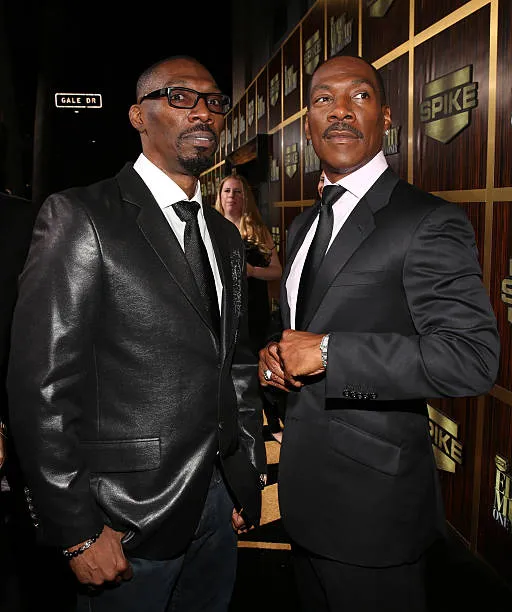
Charlie Murphy Death on 2017
Charlie Murphy, the elder son of Charles Edward Murphy, passed away on 4 April 2017 at the age of 57. He died after a battle with leukemia, a blood cancer that he had been privately fighting for some time. Charlie Murphy was widely known for his comedy, acting, and storytelling, particularly for his work on Chappelle’s Show, where his humorous and vivid retellings of real-life experiences became iconic.
His death marked a profound loss for his family, including his brother Eddie Murphy, and for the comedy world at large. Charlie was celebrated for his wit, charisma, and the way he transformed personal experiences into memorable performances, carrying forward the comedic legacy that began with their father, Charles Edward Murphy. Despite his passing, his work continues to influence comedians and entertain audiences worldwide.
Who is Vernon Lynch Jr.?
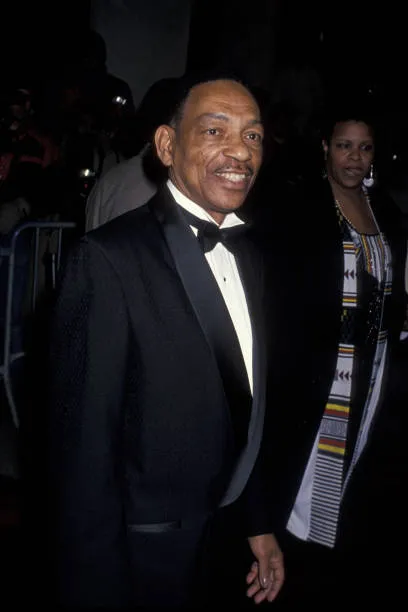
Vernon Lynch Jr. is the younger half‑brother of Eddie Murphy and the brother of the late Charlie Murphy. He was born in the mid‑1960s in New York City, the son of Lillian Murphy (later Lillian Lynch) and her second husband, Vernon Lynch Sr. After Eddie and Charlie’s father, Charles Edward Murphy, died when Eddie was a child, their mother remarried Vernon Lynch Sr., and Vernon Lynch Jr. was born into the blended family. He grew up alongside his older half‑brothers in Brooklyn and later in Roosevelt, New York, where the family moved during their childhood.
Vernon Lynch Jr. pursued his own path in the entertainment and creative industries rather than following directly into stand‑up comedy like his brothers. In the 1980s he was involved in music as part of the hip‑hop group K‑9 Posse, which secured a record deal and gave him early experience in performance and production. Later, he expanded into film and television work, including co‑writing the 1995 film Vampire in Brooklyn with Eddie and Charlie, and serving as a producer and creative contributor on various entertainment projects. Beyond his work in media, Vernon has been actively involved in supporting his son’s boxing career as a coach and manager, playing a meaningful role in his development as an athlete. His career reflects a blend of artistic endeavour and family involvement in the broader Murphy entertainment legacy.
Life After Charles Murphy’s Death
After Charles Murphy’s death, the family faced significant challenges. Eddie Murphy and his brother were raised by their mother and later by their stepfather, Vernon Lynch.
During this period, the children experienced hardship, including time spent in foster care when their mother became ill.
These experiences contributed to the development of resilience and creativity, especially in Eddie Murphy’s life. The absence of their biological father made his memory and influence even more meaningful.
Net Worth Estimate
Charles Edward Murphy did not build personal wealth in the public or entertainment industry during his lifetime. He worked primarily as a transit police officer and only pursued comedy on a small, informal level. Because of this, there is no verified financial record of significant earnings or assets tied directly to him.
Some online sources list a very high figure, even suggesting a net worth of around $120 million . However, this figure reflects the wealth and success of his son Eddie Murphy rather than Charles Murphy’s own lifetime earnings.
In practical and realistic terms, his personal net worth would have been modest, consistent with a public service career in the 1960s. He did not live long enough to benefit from the financial success later achieved by his family.
By contrast, his son Eddie Murphy went on to build a major fortune, with estimates ranging from about $200 million to $250 million in recent years
Cultural and Family Legacy
Charles Edward Murphy’s legacy is not defined by public fame but by the impact he had on his family.
His son Eddie Murphy became a global icon in entertainment, dominating comedy and film throughout the 1980s and beyond. His work influenced generations of comedians and actors.
Through Eddie and Charlie Murphy, Charles Murphy’s sense of humour and creative spirit continued to reach audiences worldwide. His legacy lives on in the storytelling, characters, and performances that his children brought to the stage and screen.
Relationship with Eddie Murphy’s Career
Although Charles Murphy did not live to see his son’s rise to fame, his presence in Eddie Murphy’s early life helped shape the foundation of that success.
Eddie’s comedy often reflects themes of family, upbringing, and personal experience. The early loss of his father added emotional depth to his performances and storytelling.
The connection between father and son, even across a short lifetime, demonstrates how early influences can shape artistic identity.
Historical Context
Charles Murphy lived during a time when opportunities for Black performers in the United States were limited. The entertainment industry in the 1950s and 1960s was not as open or accessible as it later became.
As an amateur comedian, he pursued his passion in a challenging environment. His efforts reflect the experiences of many individuals who balanced traditional careers with creative ambitions.
This context adds depth to his story, showing that his artistic interests were part of a broader cultural movement that later expanded through figures like his son.
Personal Identity and Character
Charles Edward Murphy can be understood as a man of dual identity: a public servant and a creative individual.
His work as a transit police officer required structure and discipline, while his involvement in comedy reflected freedom of expression and imagination.
This combination suggests a well-rounded personality, capable of adapting to different roles and environments.
Conclusion
Charles Edward Murphy’s life was brief but meaningful. Born in Brooklyn in 1940, he worked as a transit police officer while nurturing a passion for comedy and performance. His marriage and family life brought him two sons who would later become influential figures in entertainment.
His tragic death in 1969 marked a turning point for his family, leaving a lasting emotional impact on his children. Despite this, his influence remained strong, particularly in shaping the comedic instincts of Eddie Murphy.
Through his sons’ achievements, Charles Murphy’s legacy continues to be felt. His story is not one of public fame but of personal influence, family connection, and the lasting power of humour passed from one generation to the next.
FAQs
1. Who was Charles Edward Murphy?
Charles Edward Murphy was an American transit police officer and amateur comedian, best known as the father of Eddie Murphy and Charlie Murphy.
2. When and where was he born?
He was born on 30 October 1940 in Brooklyn, New York City, United States.
3. When did Charles Edward Murphy die?
He tragically died on 22 August 1969 in New York City at the age of 28.
4. Who was his wife?
His wife was Lillian Murphy, later known as Lillian Lynch after remarriage.
5. How did he influence his children?
Charles Murphy’s sense of humour and interest in performance influenced both of his sons, Eddie and Charlie Murphy, in their careers in comedy and entertainment.
6. What was his profession?
He worked as a transit police officer while also pursuing comedy and acting informally
News Metric for more informative Topics