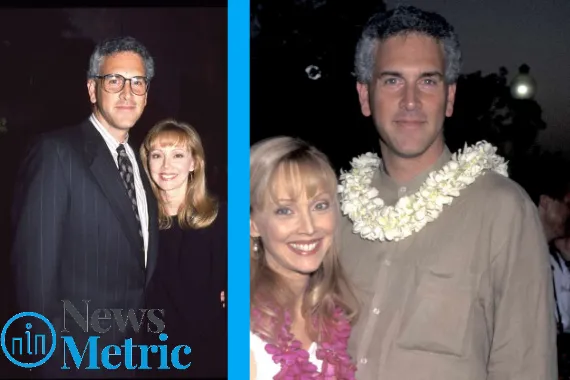
Bruce Tyson is an American financial adviser who came into public attention primarily through his long marriage to actress Shelley Long, best known for her role as Diane Chambers on the television sitcom Cheers. While Tyson has maintained a professional life rooted in finance rather than entertainment, his connection to Hollywood through his former wife has kept public curiosity alive about his background, career, and personal journey. Over the years, he has been associated with financial consulting and advisory services, building a stable and successful career away from media attention.
This article explores Bruce Tyson’s life in depth, including his early years, professional achievements, marriage and family life, and how he built his financial standing.
Bruce Tyson Profile Bio
| Field | Details |
|---|---|
| Full Name | Bruce Tyson |
| Profession | Financial Adviser, Investment Counsellor |
| Known For | Financial career and marriage to Shelley Long |
| Age | Estimated to be in his late 60s to early 70s |
| Place of Birth | United States |
| Nationality | American |
| Education | Wesleyan University (Bachelor’s Degree) |
| Current Role | Partner & Investment Counsellor at Morton Wealth |
| Previous Position | President at Weston Capital Management (1997–2015) |
| Career Start | Around mid-1980s (portfolio management) |
| Industry | Finance, Wealth Management |
| Licences | Series 65 (Investment Adviser Representative) |
| Marital Status | Divorced |
| Ex-Spouse | Shelley Long (m. 1981–2004) |
| Children | Juliana Tyson |
| Residence | United States |
| Net Worth | Estimated several million dollars |
| Years Active | 1980s–present |
| Notable Roles | Portfolio Manager, Firm President, Wealth Advisor |
| Expertise | Investment strategy, portfolio management, retirement planning |
| Net Worth | $3 to $7 million |
Who Is Bruce Tyson?
Bruce Tyson is a US-based financial adviser who gained recognition due to his marriage to Shelley Long. Despite the public interest surrounding his relationship with a well-known actress, Tyson has largely remained focused on his career in finance. His professional work involves managing investments, offering financial planning services, and advising clients on wealth management strategies. He was born and rised in United States.
He is known for maintaining a private lifestyle, with limited public appearances and minimal engagement with media platforms. His identity is shaped more by his professional expertise in finance than by celebrity culture.
Educational Background and Professional Credentials
Bruce Tyson studied at Wesleyan University, where he earned a Bachelor’s degree. His education provided a foundation for his career in finance, equipping him with analytical and critical thinking skills.
He also holds the Series 65 licence, which qualifies him to provide investment advice in the United States. This certification ensures that he meets regulatory standards and has the necessary knowledge to advise clients responsibly.
Early Career and Rise at Weston Capital Management
Bruce Tyson’s financial career began in the mid-1980s, a period marked by major shifts in global markets, including deregulation, technological change, and increasing investor participation. Around 1985, he joined Weston Capital Management, where he initially worked as a portfolio manager.
At Weston Capital, Tyson’s role involved managing client portfolios, analysing investment opportunities, and navigating the complexities of equity and fixed-income markets. This early stage of his career gave him direct exposure to real-world financial decision-making, where performance depended on careful research, risk control, and long-term thinking.
During his years as a portfolio manager, Tyson experienced several major financial events that shaped his investment philosophy. These included the 1987 stock market crash, known as Black Monday, as well as subsequent periods of economic expansion and contraction. Exposure to such events helped him understand the importance of diversification and disciplined investing.
His consistent performance and growing expertise led to a major promotion within the firm. In 1997, Tyson became President of Weston Capital Management, marking a significant turning point in his career.
Leadership Role as President
As President of Weston Capital Management, Bruce Tyson was responsible not only for investment strategy but also for overseeing the firm’s operations and client relationships. His leadership period, which lasted until 2015, covered nearly two decades of significant financial developments.
During this time, global markets experienced the dot-com boom and crash in the late 1990s and early 2000s, followed by the 2008 global financial crisis. Tyson’s role required him to guide clients through these uncertain periods, helping them avoid panic decisions and maintain long-term investment strategies.
His leadership style was shaped by experience and caution. Rather than focusing on short-term gains, Tyson emphasised steady growth and risk management. This approach is consistent with the broader philosophy seen in traditional wealth management, where preserving capital is often as important as generating returns.
Under his presidency, Weston Capital Management remained focused on providing personalised investment services. Tyson’s work involved building long-term relationships with clients, many of whom relied on his advice for retirement planning, wealth preservation, and portfolio growth.
His long tenure at the firm, spanning roughly 30 years in total, reflects both stability and professional commitment.
Career as a Financial Adviser
Bruce Tyson’s career centres around financial advising, a profession that requires expertise in managing investments, analysing market trends, and guiding individuals and businesses in making informed financial decisions.
Over the years, Tyson has worked in financial consulting, helping clients with portfolio management, retirement planning, and wealth preservation. His role typically involves understanding clients’ financial goals and creating strategies that align with long-term growth and security.
Financial advisers like Tyson often operate within structured firms or as independent consultants. Their work includes monitoring economic conditions, advising on stocks, bonds, and other investment vehicles, and ensuring that clients make decisions based on sound financial principles.
Tyson’s career reflects consistency and professionalism. While he has not sought public recognition for his work, his long-standing presence in the field suggests a stable and successful professional journey.
How Bruce Tyson Built His Fortune
Bruce Tyson’s wealth is primarily the result of his career in financial advisory services. Unlike actors or entertainers whose income may fluctuate based on projects, Tyson’s earnings have likely come from consistent professional engagements, including advisory fees, commissions, and long-term client relationships.
Financial advisers typically generate income through a combination of fee-based services and investment management. Tyson’s experience in the field would have allowed him to build a steady client base over time. By offering strategic financial planning and investment advice, he would have earned trust and credibility, which are essential for sustained success in this profession.
His financial growth is likely tied to disciplined investment strategies, both for his clients and personally. Professionals in his field often apply the same principles they recommend to clients, such as diversification, long-term investing, and risk management.
Additionally, Tyson’s long marriage to Shelley Long may have contributed to shared financial assets during their years together. However, his independent career remains the primary foundation of his financial standing.
Transition to Morton Wealth
After leaving Weston Capital Management in 2015, Bruce Tyson transitioned to Morton Wealth, a well-established investment advisory firm based in California.
At Morton Wealth, Tyson took on the role of Partner and Investment Counsellor (also referred to as Wealth Advisor). This position allowed him to continue working closely with clients while also contributing to the firm’s broader investment strategy.
Morton Wealth operates as a fee-based advisory firm, offering services such as financial planning, portfolio management, pension consulting, and investment education. The firm primarily serves high-net-worth individuals and institutions, managing billions of dollars in assets.
Tyson’s move to Morton Wealth marked a shift from leading a firm to becoming part of a collaborative advisory team. However, his decades of experience positioned him as a senior figure within the organisation.
Role and Responsibilities at Morton Wealth
At Morton Wealth, Bruce Tyson works directly with clients, helping them design and manage investment portfolios that align with their financial goals. His responsibilities include analysing market conditions, advising on asset allocation, and guiding clients through economic uncertainty.
One of his key strengths is his long-term perspective. Having managed portfolios across multiple decades, Tyson brings historical insight into market cycles. He has experienced major financial events including market crashes, bubbles, and recoveries, which allows him to provide balanced and informed advice.
Within the firm, he is sometimes seen as a source of institutional memory, drawing on past experiences to inform present decisions. His ability to remain calm during volatile market conditions is a valuable asset in wealth management, where emotional reactions can lead to poor investment choices.
Experience Across Market Cycles
One of the defining features of Bruce Tyson’s career is his exposure to multiple financial cycles. From the 1980s to the present, he has witnessed and managed investments through various economic phases.
These include the stock market crash of 1987, the technology boom of the late 1990s, the subsequent dot-com collapse, and the global financial crisis of 2008. Each of these events required different strategies and responses, contributing to Tyson’s deep understanding of market behaviour.
His experience allows him to guide clients with a sense of perspective, helping them avoid overreacting to short-term market fluctuations. This long-term view is a key aspect of his advisory work.
Client-Focused Wealth Management
At both Weston Capital Management and Morton Wealth, Bruce Tyson’s work has centred on client relationships. Wealth management is not only about investments but also about understanding clients’ personal goals, risk tolerance, and life circumstances.
Tyson’s approach involves tailoring strategies to individual needs rather than applying a one-size-fits-all model. This includes planning for retirement, managing assets, and ensuring financial security for future generations.
His ability to maintain long-term client relationships is a reflection of trust and reliability, which are essential qualities in the financial advisory profession.
Marriage to Shelley Long
Bruce Tyson’s relationship with Shelley Long began in the late 1970s, when the two met around 1979. Their relationship developed during a period when Long was building her acting career, and after dating for a couple of years, they married in October 1981.
Their marriage lasted for more than two decades, making it a relatively long-lasting union compared to many relationships connected to the entertainment industry. Throughout this time, Tyson continued his work in finance while Long rose to fame through her role in Cheers. Despite her growing popularity, the couple maintained a largely private family life.
During their marriage, the family experienced both joyful and difficult moments. In addition to raising their daughter, reports indicate that Long also faced a miscarriage in 1989, reflecting some of the personal challenges within their family life.
Family Life and Children
The couple had one child together, a daughter named Juliana Tyson, who was born on March 27, 1985, in Los Angeles.
Juliana Tyson has occasionally attracted public interest due to her parents’ backgrounds, particularly her mother’s fame in Hollywood. However, like her father, she has largely maintained a private life.
Family life for Tyson appears to have been centred around stability and privacy. Despite the pressures that often come with celebrity relationships, the family managed to maintain a relatively low public profile throughout the years.
Divorce and Later Years
Bruce Tyson’s marriage to Shelley Long came to an end after more than two decades together. The couple separated in 2003 and officially divorced in 2004, marking the conclusion of a relationship that had lasted since their wedding in 1981.
The separation appears to have been a significant turning point in both of their lives. Reports from that period indicate that the breakdown of the marriage was emotionally difficult, particularly for Long, who faced personal struggles following the split. During the divorce process, the couple also went through practical changes, including the sale of their shared home and adjustments to living arrangements.
Despite the public attention surrounding the end of their marriage, Bruce Tyson remained largely private and did not engage with media coverage. His focus stayed on his professional life in finance, continuing his work in investment management and advisory roles.
In the years following the divorce, Tyson maintained a low public profile, choosing to live away from the spotlight. While his former wife continued her acting career with occasional television roles, Tyson continued his steady path in wealth management, eventually moving into his role at Morton Wealth.
Relationship with His Daughter
Bruce Tyson’s relationship with his daughter Juliana Tyson remains an important aspect of his personal life.
As a father, Tyson has likely contributed to providing a stable upbringing for Juliana, balancing his professional commitments with family responsibilities. His preference for privacy has extended to his role as a parent, keeping personal matters away from public scrutiny.
Professional Reputation and Work Ethic
In the financial advisory field, reputation is built on trust, consistency, and results. Bruce Tyson’s long-standing career suggests that he has maintained a solid professional reputation.
Financial advisers must navigate changing market conditions, economic uncertainties, and evolving client needs. Tyson’s ability to remain active in this field over the years indicates adaptability and expertise.
His work likely involves continuous learning and staying informed about financial trends, regulatory changes, and investment strategies. This dedication to professional growth is a key factor in sustaining a successful career in finance.
Net Worth and Financial Standing
Bruce Tyson’s net worth is estimated to be between $3 million and $7 million, accumulated through his long-standing career in financial advisory roles at Weston Capital Management and Morton Wealth, where he earned through portfolio management, advisory fees, and long-term client relationships.
In addition to his professional income, his long marriage to Shelley Long may have involved shared financial resources, contributing to his overall financial position. However, his independent career remains the cornerstone of his wealth.
Financial advisers often benefit from long-term client relationships, which provide consistent income streams. Tyson’s experience and expertise would have enabled him to maintain financial stability and growth throughout his career.
Connection to Hollywood
Bruce Tyson’s connection to Hollywood comes solely through his marriage to Shelley Long. Unlike many individuals who transition into entertainment through such relationships, Tyson remained committed to his career in finance.
This distinction highlights the contrast between his professional life and the entertainment industry. While Long’s career involved public recognition and media presence, Tyson’s work remained behind the scenes, focused on financial expertise.
Conclusion
Bruce Tyson’s story across Weston Capital Management and Morton Wealth illustrates the evolution of a financial professional who has spent decades guiding clients through changing market conditions. From his early days as a portfolio manager to his leadership role as president and later his position as a partner at Morton Wealth, Tyson has built a career based on expertise and steady decision-making.
His experience across major financial events, combined with his client-focused approach, has made him a respected figure in the field of wealth management. Through both firms, he has demonstrated that successful investing relies not on quick wins but on discipline, patience, and a clear long-term strategy.
FAQs
Who is Bruce Tyson?
Bruce Tyson is an American financial adviser known for his long career in wealth management and for being the former husband of actress Shelley Long.
What does Bruce Tyson do for a living?
He works as a financial adviser and investment counsellor, helping clients manage their wealth, plan investments, and build long-term financial strategies.
Where has Bruce Tyson worked?
He spent many years at Weston Capital Management, where he became president, and later joined Morton Wealth as a partner and adviser.
Was Bruce Tyson married to Shelley Long?
Yes, Bruce Tyson was married to Shelley Long from 1981 until their divorce in 2004.
Does Bruce Tyson have children?
Yes, he has one daughter, Juliana Tyson, from his marriage to Shelley Long.
What is Bruce Tyson’s net worth?
His net worth is estimated to be between $3 million and $7 million, earned through his long career in financial advisory and investment management.
News Metric for more informative topics